Used Hyundai i30 Buyer's Guide NSW 2026 — GD, PD, N Line, i30 N Hatch and Sedan Playbook
The Hyundai i30 is one of Sydney's most affordable, sensible used hatches — and among the cheapest gateways to a genuine hot hatch (the i30 N). But GD (2012–2017), PD (2017–2024) and the i30 N have quietly different reliability profiles, and the DCT dual-clutch on some N-Line and i30 N variants has real quirks. Here's what a $280 independent inspection actually checks — plus what the $179 pink slip does and doesn't cover.
- Reviewed by
- NSW Pink Slip Review Panel
- Published
- 25 July 2026
- Read time
- 12 min
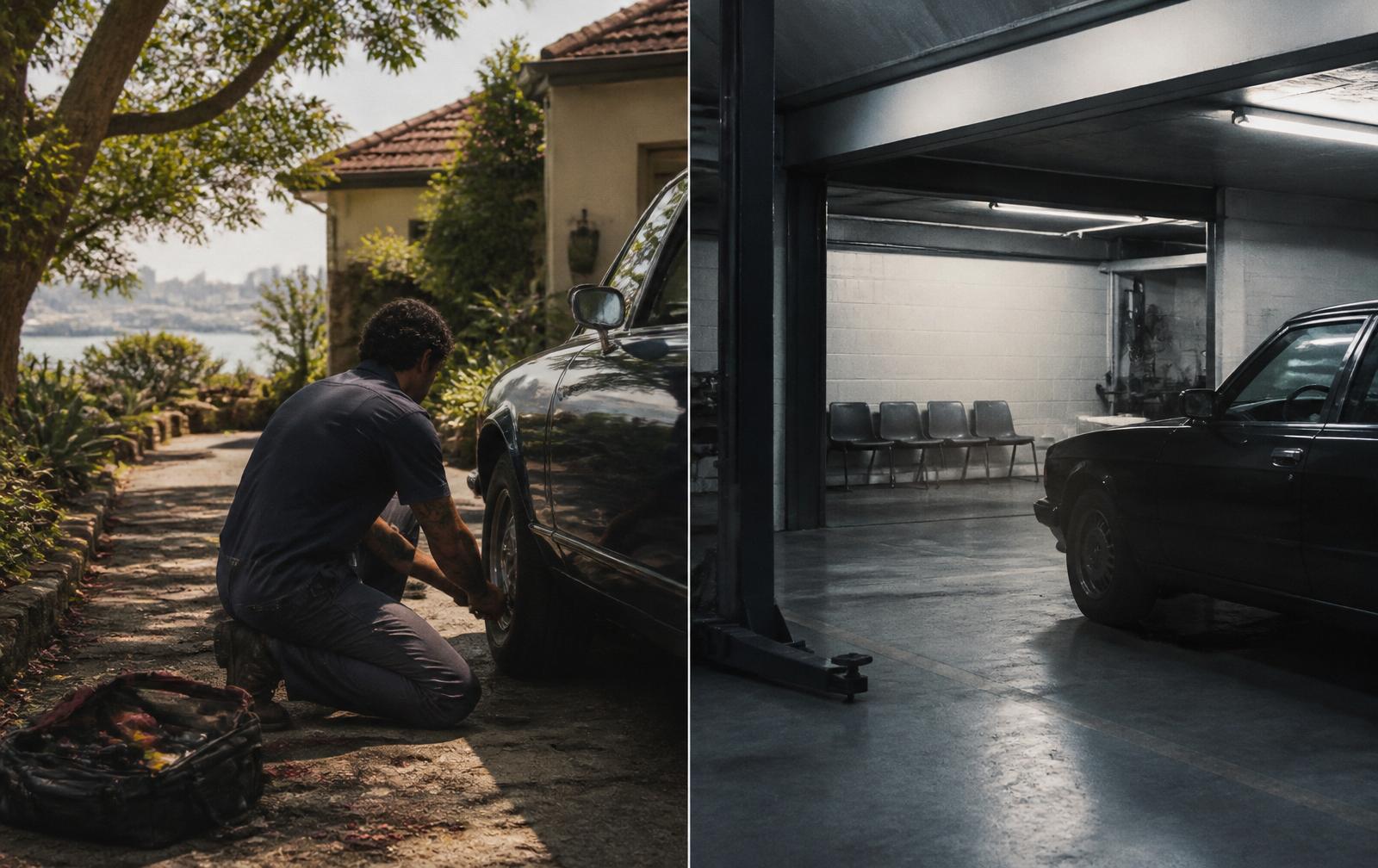
The Hyundai i30 hits a rare sweet spot: 5-year unlimited-km warranty, cheap parts, straightforward mechanics on the base engines, and (for the enthusiast) the i30 N — arguably the best affordable hot hatch of the last decade. Used prices have softened since peak-2022, meaning genuine value on well-serviced examples. This guide covers every current used i30 generation, drivetrain, and grade — plus the specific i30 N story.
The i30 generations you'll see used in NSW 2026
- GD (2012–2017) — Nu 1.8 or 2.0 MPI petrol, Gamma 1.6 diesel, 6-speed auto.
- PD (2017–2024) — Nu 2.0 MPI petrol, Gamma 1.6 T-GDI turbo (N Line), 6-speed auto or 7-speed DCT.
- i30 N Hatch (2018–2024) — Theta 2.0 T-GDI turbo, 6-speed manual or 8-speed DCT (2021+).
- i30 Sedan (2020+) — Elantra CN7 body, Nu 2.0 petrol or Smartstream 1.6 T-GDI.
- i30 Sedan N (2022+) — Theta 2.0 T-GDI, 6-speed manual or 8-speed DCT.
GD (2012–2017) — the value bargain
The GD is now the cheap used hatch of choice for first-car buyers. Engines: Nu 1.8 MPI (Active) or Nu 2.0 MPI (SR, Premium). Watch-outs:
- Nu 1.8/2.0 MPI: reliable, watch for slight oil consumption on high-km 2.0.
- Auto transmission (A6MF1): reliable, check for harsh shifts and dark fluid.
- Front strut top mount noise at 100,000km+ — $200–$400 to fix.
- Rear brake wear typically outpaces front on the GD — check pads.
- Windscreen chips very common (soft laminated glass) — fail item for pink slip.
- Interior wear on 150,000km+ examples — seat bolster and steering wheel.
Any 100,000km+ GD with clean service history and no accident damage is bargain territory. Under $10,000 is realistic.
PD (2017–2024) — the modern refined generation
Better body rigidity, better refinement, more grade complexity. Watch-outs by engine:
- Nu 2.0 MPI (Go, Active): reliable naturally aspirated engine.
- Gamma 1.6 T-GDI turbo (N Line, Elite): timing chain and oil consumption on some 2018–2019 builds — Hyundai extended warranty on affected VINs.
- 6-speed auto (A6MF1): reliable.
- 7-speed DCT (N Line): jerky low-speed take-off is normal DCT behaviour but should improve after warm-up.
- DCT clutch replacement (if worn): $3,500–$5,500 at Hyundai.
- Software recalls: multiple issued 2018–2022; verify VIN.
i30 N — the hot hatch story
The i30 N is a genuinely brilliant, cheap, tuning-friendly hot hatch. Also the most-tracked used hatch in Sydney. What to check:
- Track-day evidence — brake dust patterns, tyre wear, undertray damage, curb rash on OZ wheels.
- Clutch condition on manual (6-speed) — hard-launched examples wear clutches fast.
- DCT on 2021+ i30 N (Performance DCT) — check clutch shudder, launch control operation.
- Brake condition — full N Performance brake kit is expensive to refresh ($2,500–$4,000).
- Tyre condition — Pirelli P Zero P4/P7 hard-compound, ~40,000km life on street use, much less on track.
- Tune status — stock ECU or tune? Which tuner? Which map? Warranty implications.
- Cooling system operation — factory intercooler is marginal in tune territory.
A stock, non-tracked, well-serviced i30 N under 60,000km is a genuine unicorn buy. Every mod stacks risk.
Model-history quick reference — what to pay in 2026
| Variant | Year | Typical Sydney private price | Typical dealer price |
|---|---|---|---|
| GD Active 1.8 auto | 2015 | $7,500–$10,000 | $10,000–$12,500 |
| GD SR 2.0 auto | 2015 | $8,500–$11,500 | $11,500–$14,000 |
| PD Go 2.0 auto | 2019 | $14,000–$17,000 | $17,000–$20,000 |
| PD Active 2.0 auto | 2020 | $17,000–$20,000 | $20,000–$23,000 |
| PD N Line 1.6 T-GDI DCT | 2020 | $20,000–$23,000 | $23,000–$27,000 |
| PD N Line Premium 1.6 T-GDI DCT | 2021 | $23,000–$26,000 | $26,000–$30,000 |
| i30 N Hatch (manual, standard) | 2019 | $28,000–$33,000 | $33,000–$38,000 |
| i30 N Hatch Performance DCT | 2022 | $40,000–$46,000 | $46,000–$52,000 |
| i30 Sedan N (manual) | 2023 | $40,000–$46,000 | $46,000–$52,000 |
i30 N pricing softens meaningfully through winter and at EOFY. Sedan N is rarer used and holds value slightly better than the hatch.
DCT dual-clutch — the honest deep-dive
Hyundai's 7-speed DCT (N Line) and 8-speed DCT (i30 N Performance 2021+) are common Sydney used-buyer concerns. Reality:
- Both are dry-clutch DCTs — wear items, not lifetime.
- Low-speed shudder / jerkiness is characteristic, not fault (worst when cold, improves after warm-up).
- Persistent shudder on warm-up = clutch pack wear.
- Warning message: "Transmission overheated" = repeated stop-start driving; not necessarily fault.
- Software updates from Hyundai improved DCT low-speed behaviour on later builds — check TSBs.
- Clutch pack replacement: $3,500–$5,500 fitted at Hyundai.
A DCT i30 N or N Line driven predominantly stop-start commute will wear clutches faster than one driven mostly on flowing suburban / highway. Ask the seller about duty cycle.
What to check on any used i30
- Service history — Hyundai-stamped logbook or dealer records.
- Odometer vs interior wear — steering wheel, driver bolster, gear knob.
- Automatic / DCT transmission — no shudder above warm-up idle, clean upshifts.
- Underbody — corrosion, sealant, accident repair.
- Recall history — verify all TSBs done, especially early PD software recalls.
- Windscreen — GD/PD have soft laminated glass, chip and crack prone.
- On i30 N: cold-start listening for chain rattle, boost operation, brake condition, tyre life.
- Interior electronics — infotainment reboot, Apple CarPlay/Android Auto operation.
Warranty position for used Hyundai
- Hyundai new-car: 5 years / unlimited km.
- Warranty transfers to subsequent owners.
- Hyundai Promise (Certified Pre-Owned): additional 12 months dealer warranty typical.
- Australian Consumer Law statutory guarantees apply on top.
- Aftermarket tune or software modification voids warranty on affected components — especially critical for i30 N.
The pink slip angle — what fails a Hyundai i30
i30 is a straightforward pink slip vehicle. Common fail items:
- Windscreen chips in driver line of sight (very common on GD/PD).
- Brake pads below 3mm (rear pads on GD notably).
- Tyres below 1.5mm tread.
- Wiper blade smear.
- Headlight aim on non-LED variants.
- Front control arm bush wear on 150,000km+ GD.
- OBD-II readiness monitors incomplete after battery disconnect or CEL clear.
- On i30 N: brake pad life, tyre life, aftermarket exhaust noise (fail if over 90dB).
Our mobile pink slip on any i30 is flat $179 inc GST — book at your driveway or workplace.
The five walk-away signals on a used i30
- PD 1.6 T-GDI with cold-start rattle and no documented timing chain work.
- DCT with persistent shudder after warm-up (clutch pack failure).
- Any i30 N with track / rally / drift evidence and no documented brake, clutch, tyre refresh.
- Odometer / interior wear mismatch (wound-back suspicion).
- No service history on a 100,000km+ turbo variant.
Frequently asked.
- Are used Hyundai i30s reliable?
- The Nu 2.0 MPI naturally aspirated engine is highly reliable. The Gamma 1.6 T-GDI turbo (N Line) is generally reliable but has timing chain and oil consumption issues on some 2018–2019 builds. The Theta 2.0 T-GDI in the i30 N is strong stock; risk stacks with tunes.
- How many km will a Hyundai i30 last?
- Nu 2.0 MPI examples routinely reach 250,000+ km with basic maintenance. i30 N examples depend heavily on service, track use, and tune status.
- Is the DCT reliable in the i30 N Line and i30 N?
- Reliable with normal service. Dry-clutch DCTs are wear items — expect clutch replacement at 120,000–180,000km on stop-start commute cars. Software updates improved low-speed shudder on later builds.
- Should I buy an i30 N?
- Only after a rigorous independent inspection. Stock, non-tracked, well-serviced examples under 60,000km are excellent buys. Track / tuned / poorly serviced examples are the majority of the used market — walk away from those.
- Does the Hyundai warranty transfer to used buyers?
- Yes — 5 years / unlimited km new-car warranty transfers to subsequent owners.
- What's the best year i30 to buy used?
- 2020–2021 PD 2.0 Active auto is the value sweet spot — mature software recall status, sub-$20K used pricing on private sales. For i30 N: 2020–2021 hatch DCT if the intent is daily-drivable performance.
- How much is an i30 pink slip in Sydney?
- Our mobile pink slip on any i30 is $179 inc GST flat rate — weekends included, all NSW-covered suburbs.
- Should I buy an ex-fleet i30?
- Yes — with a rigorous independent inspection and price adjusted for wear. Ex-fleet i30s are usually well-serviced. Fair value if disclosed.
- Does the pink slip check the DCT?
- Not the clutch pack directly. Fail items relevant to DCT: warning lights on, active fault codes, obvious slip / no drive engagement. Wear-based clutch condition is a pre-purchase category, not a pink slip category.
- What about the i30 Sedan N?
- The i30 Sedan N (2022+) uses the same Theta 2.0 T-GDI drivetrain as the hatch, on the Elantra CN7 body. Same inspection logic. Slightly rarer, holds value marginally better than the hatch.
- Are there any Hyundai i30 recalls I should check?
- Multiple software and safety-recall notices issued 2018–2023 for PD platform. Check VIN with Hyundai Australia recall lookup.
- Can you inspect an i30 at a Hyundai dealer?
- Usually yes — with dealer consent. Independent verification is valuable even for Hyundai Promise Certified Pre-Owned.
About the author
NSW Pink Slip — Lead Inspection Team
Lead AIS-Authorised eSafety Inspector · 18+ years
Our lead inspection team is Transport for NSW-authorised under the Authorised Inspection Scheme (AIS) to issue eSafety Checks (pink slips) for light vehicles up to 4.5t. Combined 18+ years of hands-on Sydney workshop experience — starting in general repair, moving through diagnostic specialisation on European and Japanese platforms, and settling into full-time mobile inspection since 2019. Every article on this site is authored or reviewed by a currently-authorised AIS examiner. If we can't verify a claim against a Transport for NSW or Service NSW source, it doesn't ship.
- ✓Transport for NSW authorised AIS examiner
- ✓Cert IV in Automotive Mechanical Diagnosis
- ✓Cert III in Light Vehicle Mechanical Technology
- ✓Cert III in Automotive Electrical Technology
- ✓Working with Children Check (WWC) verified
Reviewed by NSW Pink Slip Review Panel — Reviews every technical article for accuracy against current Transport for NSW rules, AIS inspector guidelines and manufacturer service data.
Meet the full inspection team →Related from the workshop.
Used Car Inspection Sydney 2026 — Independent Pre-Purchase Check (Flat $280 inc GST)
Used Toyota Corolla Buyer's Guide NSW 2026 — What to Check on 2013+ ZRE182, E210 Hybrid and Petrol