Car Auction Inspection Sydney 2026 — Pickles, Manheim, Grays, Slattery: How to Bid Safely
Auction buying can save 15–25% on retail — or cost you double retail on a car with hidden problems. The single most reliable edge available to a private auction buyer is a pre-auction independent inspection during the viewing window. Here's exactly how to use it across every major Sydney auction house.
- Reviewed by
- NSW Pink Slip Review Panel
- Published
- 26 May 2026
- Updated
- 24 July 2026
- Read time
- 11 min
Car auctions in Sydney — Pickles, Manheim, Grays, Slattery, and the smaller salvage yards — sell tens of thousands of used vehicles a year at prices 10–25% below equivalent retail. The reason for the discount: no warranty, no cooling-off, no returns, and inspection information limited to what the auction house chose to disclose. Buying without an independent inspection is high-risk; buying with one is a genuinely good way to source a car.
What auction listings tell you (and what they don't)
Most auction listings include:
- Year, make, model, kilometres, colour
- A basic condition report (usually a 1-page summary — 'starts and drives', 'body straight', 'tyres good')
- 5–15 photos
- PPSR / rego status
- Auction house's own inspection notes (varying quality by house)
What they don't tell you:
- Full mechanical assessment — no diagnostic scan, no compression test, no cold-start observation
- Service history verification
- Underbody / structural condition
- Paint depth (indicating crash repair)
- Interior wear patterns vs displayed kilometres
- Anything specific to that model's known failure points
- Whether the vehicle has been sitting for weeks (dead battery, flat-spot tyres)
The pre-auction inspection window
All major NSW auction houses run inspection days (usually 2–3 days before the auction). Times vary — check the auction's website. During the inspection window, registered buyers can walk the yard, sit in the cars, occasionally start engines (varies by house), and — importantly — bring an independent inspector.
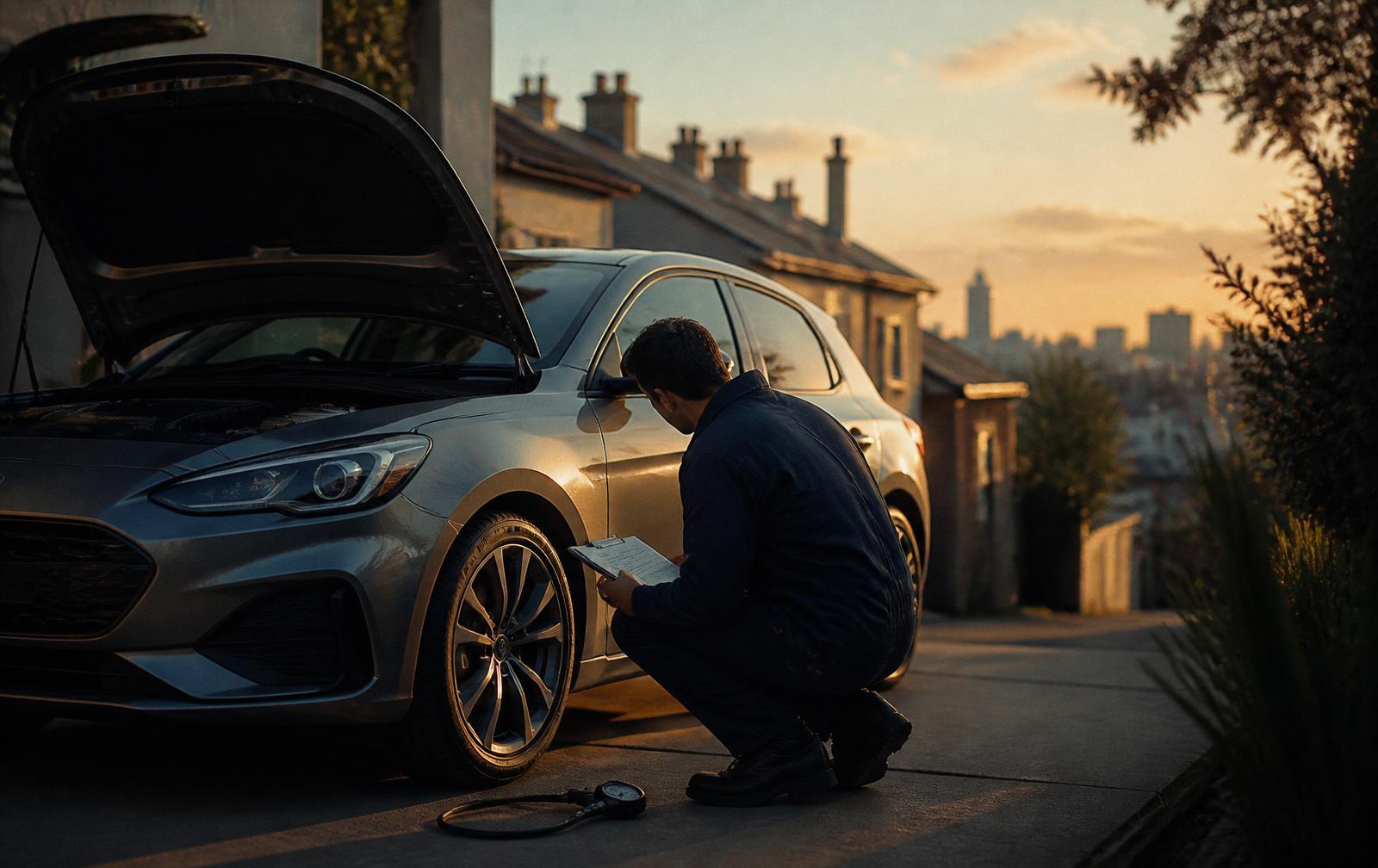
We do auction inspections at Pickles Milperra, Manheim Newington and Fyshwick, Grays Silverwater, and Slattery Alexandria. The workflow:
- You give us the auction lot number and the auction house.
- We attend during the public inspection window with all our diagnostic tools.
- We run our standard pre-purchase inspection process — 60 to 90 minutes on the car.
- You get a written report the same day, in time to set your maximum bid.
Auction inspection pricing is the same flat $280 inc GST as any pre-purchase inspection — we don't surcharge for the auction environment.
Yard-by-yard quick guide
| Auction house | Sydney yard | Typical stock | Inspection access |
|---|---|---|---|
| Pickles | Milperra, Belmore | Ex-fleet, ex-lease, ex-repo, ex-gov | Full walk-through, cold engine start sometimes permitted with staff |
| Manheim | Newington, Fyshwick (ACT) | Ex-fleet, ex-lease, dealer trade-ins | Full walk-through; some lanes staff-only |
| Grays | Silverwater | Ex-fleet, ex-repo, salvage | Public viewing days; online-bidder-friendly reports |
| Slattery | Alexandria | Prestige, low-volume, insurance stock | Small-yard access, more one-on-one |
| Salvage yards | Various | Repairable and statutory write-offs | Limited access; strictly trade-oriented |
Auction-specific limitations to know
- Engines cannot always be started during the public viewing at some auction houses. We work around this with cold-check techniques (fluid inspection, boroscope through spark plug holes if approved, battery diagnostics) but a full engine assessment is limited without a cold start.
- Road tests are almost never permitted during auction viewings. This is the main limitation — mechanical issues that only appear under load can't be detected.
- Time on the car is limited to the yard hours — we can't extend a session.
- PPSR check is essential and often the auction house's PPSR data is stale. We refresh on the day.
- Battery may be dead on cars sitting weeks; the inspection accounts for this but a jump-start test is limited.
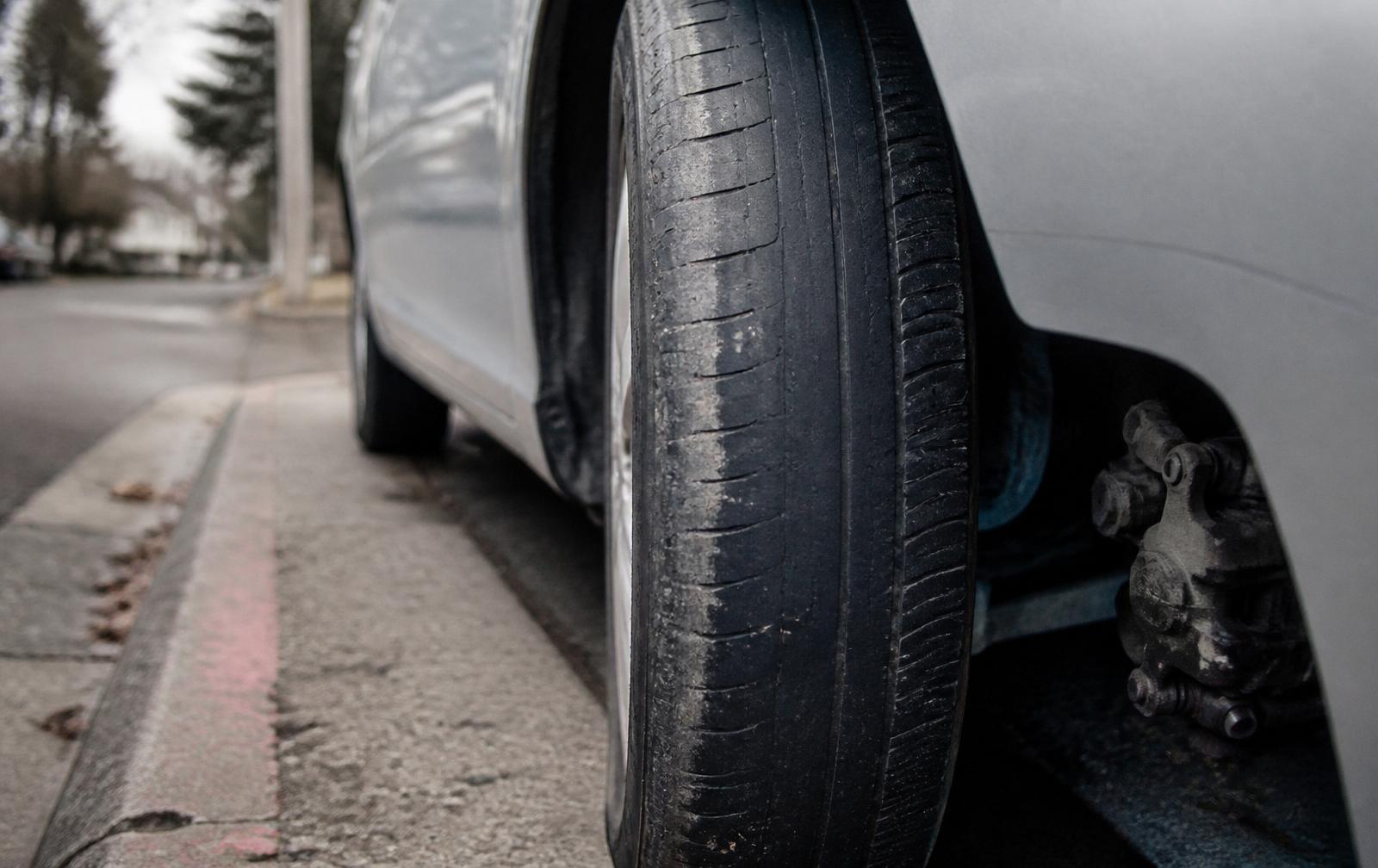
- Tyres may show flat spots from long standing — check the round profile at each corner.
Types of auction stock and their risk profiles
Ex-fleet / ex-lease (Manheim, Pickles)
Lowest risk category — vehicles typically 2–4 years old, well maintained (fleets have their own maintenance regimes), full logbook history. The catch: hard-driven company cars with more highway kilometres than a private-owned equivalent.
Ex-repossession (Pickles, Grays)
Medium risk — cars taken back by finance companies from defaulted owners. Sometimes badly maintained during ownership problems in the run-up to repossession. Inspection especially important.
Ex-government (Pickles, Slattery)
Low-medium risk — usually well maintained by government fleet operations, but often high-kilometre. Look at the service records rather than the odometer reading — a 200,000 km ex-government car with full service history is often a better buy than a 90,000 km private car with no history.
Insurance write-off auctions (specialist salvage yards)
Highest risk. Statutory write-offs can't be re-registered in NSW at all. Repairable write-offs can be but require a stringent AUVIS blue slip and often significant repair work. Not recommended for buyers who don't have the trade skills to assess repair viability firsthand.
Dealer trade-ins (Manheim, Pickles)
Variable — dealers wholesale cars they judge unprofitable to retail. Sometimes fine cars in a segment the dealer doesn't want; sometimes cars with genuine issues the dealer chose not to fix. Inspection is what separates the two.
Setting your maximum bid
The inspection report is your input to a hard maximum bid. Work backwards from equivalent retail:
- Retail price of equivalent car (CarSales median, same year/make/model/kms).
- Subtract 15–25% for the auction discount (this is what makes auction worthwhile).
- Subtract the auction premium/hammer fee (typically 5.5–8.8% at Sydney houses on top of the winning bid).
- Subtract any near-term maintenance items identified in the inspection report.
- The result is your absolute maximum bid.
Set the number, write it down, and stop bidding when the auction passes it. Discipline here is the difference between a good buy and an expensive one.
After you win — the paperwork sprint
- Payment usually due within 24–48 hours (cleared funds, not cheque).
- Buyer's premium on top of hammer price (check the auction's schedule).
- Vehicle collection window is short — daily storage fees kick in fast (from about $30/day).
- Rego status: unregistered stock requires an unregistered vehicle permit to drive home, then blue slip and full re-registration through Service NSW.
- PPSR clearance letter: the auction house provides it — keep it with your records.
Frequently asked.
- Can you inspect cars at Pickles, Manheim or Grays auctions in Sydney?
- Yes — we attend all major Sydney auction houses (Pickles Milperra, Manheim Newington and Fyshwick, Grays Silverwater, Slattery Alexandria) during their public inspection days. Flat $280 inc GST, written report same day.
- How much is a pre-auction car inspection in Sydney?
- Flat $280 inc GST — same as any private-sale pre-purchase inspection. No auction surcharge.
- Can you road-test a car at a car auction?
- Almost never — road tests aren't permitted during public inspection windows at any major NSW auction house. This is the main limitation of pre-auction inspection.
- Are car auctions worth the risk in NSW?
- For an experienced buyer with an independent inspection: yes. Auction prices are 15–25% below equivalent retail, no dealer margin. For a buyer without inspection support: risk usually outweighs the discount.
- Do you inspect repairable write-off vehicles?
- Yes, but with caveats — we can flag structural repair evidence, assess overall build quality of the repair, and estimate rectification cost. We can't guarantee registration will be approved after the additional stringent AUVIS blue slip.
- What's the difference between auction stock types?
- Ex-fleet/lease is lowest risk (well maintained). Ex-repossession is medium (variable maintenance in default period). Ex-government is well-maintained but high-kilometre. Insurance write-offs are highest risk and often require full trade knowledge to assess safely.
- What is the buyer's premium at Sydney auctions?
- Typically 5.5–8.8% on top of the winning bid, depending on auction house and lot type. Always check the schedule before you bid — the premium is real money on your max-bid ceiling.
- Can I inspect an online-only auction listing?
- Yes when the yard has a public inspection window. Grays and Manheim online lots are physically located at their Sydney yards during viewing days — we attend and inspect as normal.
- What if the car doesn't start at the yard?
- Common on cars sitting weeks. We assess battery condition and use cold-check methods; a full engine assessment is limited without a start. Factor this into your max bid.
- How do I drive an auction car home if it's unregistered?
- Apply for an unregistered vehicle permit through Service NSW (about $22, single trip). Then complete a blue slip at an AUVIS station and full re-registration.
- Are prestige cars at Slattery worth inspecting?
- Especially so — high-value cars mean high-value hidden problems. A $280 inspection on a $60k Audi is trivial relative to a hidden crash repair or looming turbo failure.
- What documentation should I get after winning?
- Tax invoice, buyer's premium receipt, PPSR clearance letter, sale advice / auction contract, any service history the auction has. Keep everything — you'll need it for blue slip and rego.
About the author
NSW Pink Slip — Lead Inspection Team
Lead AIS-Authorised eSafety Inspector · 18+ years
Our lead inspection team is Transport for NSW-authorised under the Authorised Inspection Scheme (AIS) to issue eSafety Checks (pink slips) for light vehicles up to 4.5t. Combined 18+ years of hands-on Sydney workshop experience — starting in general repair, moving through diagnostic specialisation on European and Japanese platforms, and settling into full-time mobile inspection since 2019. Every article on this site is authored or reviewed by a currently-authorised AIS examiner. If we can't verify a claim against a Transport for NSW or Service NSW source, it doesn't ship.
- ✓Transport for NSW authorised AIS examiner
- ✓Cert IV in Automotive Mechanical Diagnosis
- ✓Cert III in Light Vehicle Mechanical Technology
- ✓Cert III in Automotive Electrical Technology
- ✓Working with Children Check (WWC) verified
Reviewed by NSW Pink Slip Review Panel — Reviews every technical article for accuracy against current Transport for NSW rules, AIS inspector guidelines and manufacturer service data.
Meet the full inspection team →