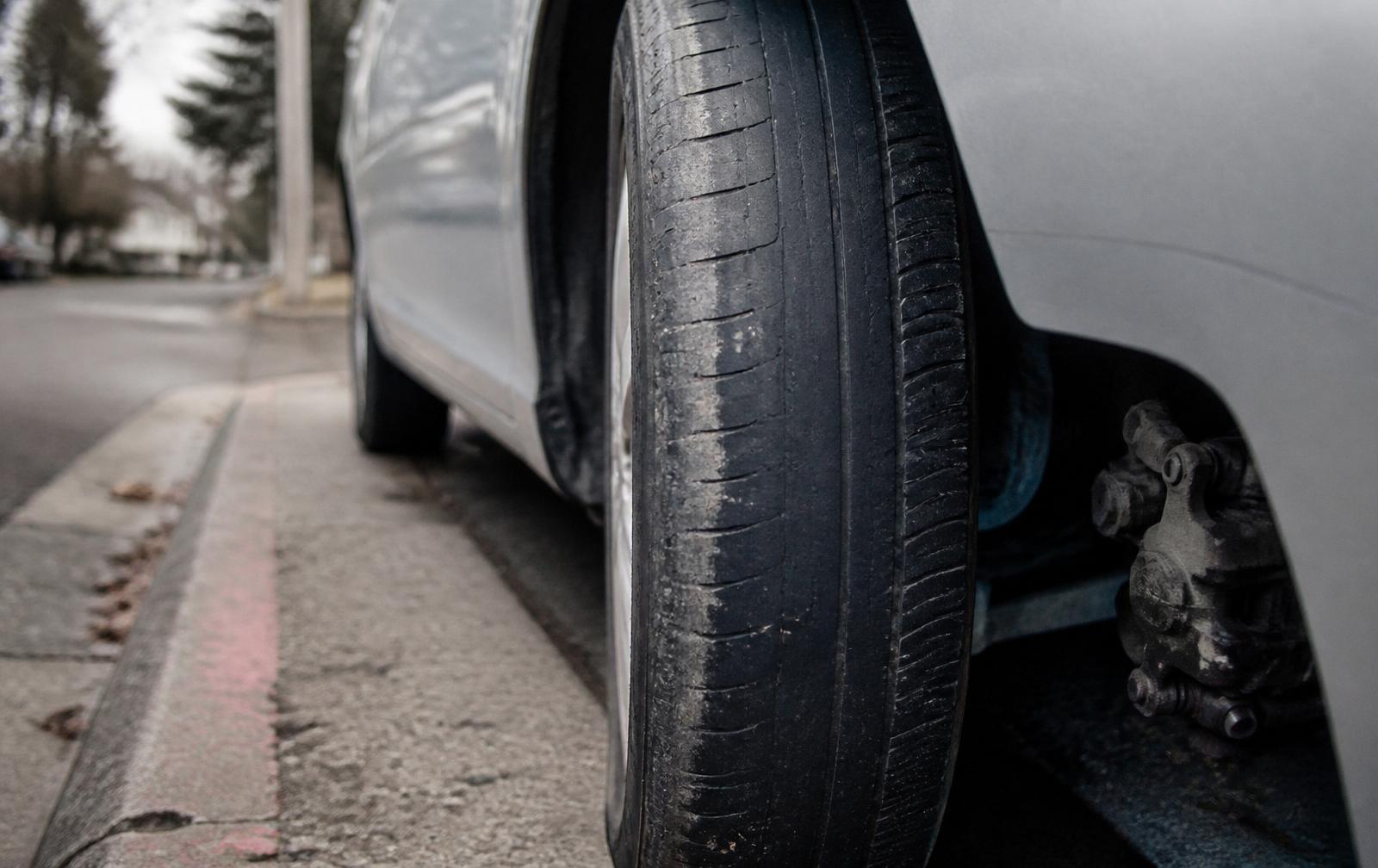
How to Buy a Used Car in NSW 2026 — The Complete Step-by-Step Buyer's Guide
Ninety percent of the money you save on a used car is decided before you inspect it. This is the exact eight-step process we walk buyers through — from shortlist to transfer — after seeing what actually goes wrong on 500+ inspections a year across Sydney, Wollongong, Central Coast and the Blue Mountains.
- Reviewed by
- NSW Pink Slip Review Panel
- Published
- 17 May 2026
- Updated
- 24 July 2026
- Read time
- 12 min
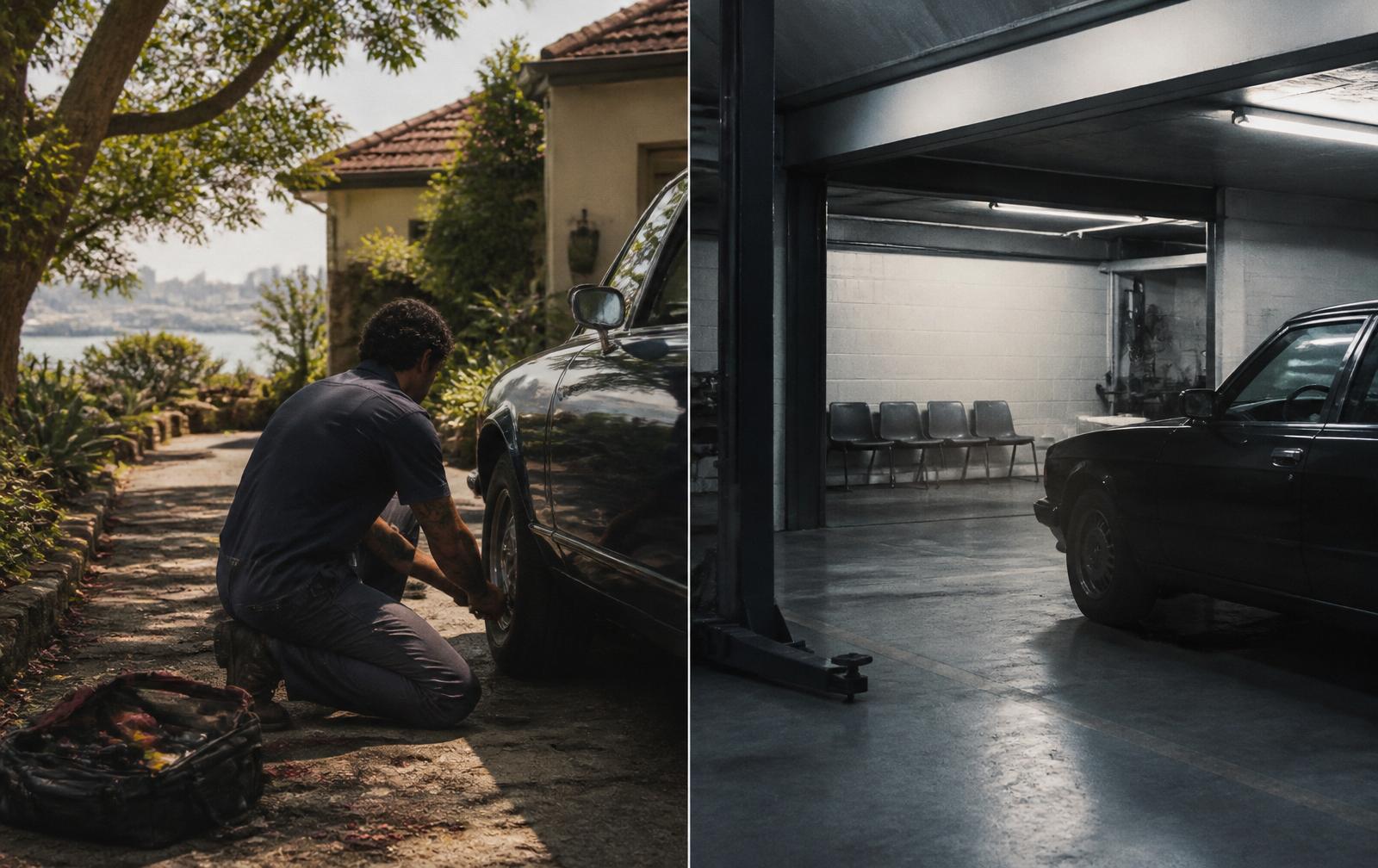
Buying a used car in NSW isn't complicated, but the mistakes compound: pick the wrong car, overpay by $3,000, then discover $6,000 of hidden repairs. Getting it right is a matter of running the same eight steps in the same order every time. This is that process — the workflow we've refined watching what goes wrong on hundreds of pre-purchase inspections in Sydney every year.
Step 1 — Set a hard budget, and factor in the true cost
Your budget isn't the sticker price. It's the sticker price + rego transfer (~$40 in NSW) + stamp duty (3% under $45,000, 5% above) + CTP green slip ($450–$650) + a comprehensive insurance quote + a realistic first-year maintenance figure. On a $25,000 car in Sydney metro, add roughly $3,500 for those items — if that pushes you over budget, drop the sticker price target by that amount before you start looking.
- Purchase price — sticker or negotiated.
- Stamp duty — 3% under $45,000, 5% above.
- Rego transfer fee — a few tens of dollars.
- CTP green slip — $450–$650 depending on driver record and vehicle class.
- Comprehensive insurance — $800–$2,000/year depending on driver history and vehicle value.
- First-year maintenance — service, tyres, brakes typically $500–$1,500 depending on model.
- Pre-purchase inspection — $280 flat.
- PPSR check — $2.
Step 2 — Shortlist ruthlessly
Pick three specific model years. Cross-reference reliability data (Consumer Reports, Which?, and Australian owner forums for that model) and confirm parts availability isn't going to be an issue in five years. Avoid: first-year-of-generation models (worst reliability), models with known catastrophic issues (Ford Powershift transmissions, early Nissan CVTs, some Hyundai Theta engines), and cars where the required maintenance schedule includes an $8,000 timing belt.
Model shortlist quality is the highest-leverage decision in the whole process. A well-chosen 8-year-old Corolla will cost you less over 5 years than a poorly chosen 4-year-old European car of twice the sticker price.
Step 3 — Filter listings, ignore ~90%
Search CarSales, Facebook Marketplace, Autotrader and Gumtree. Immediately reject:
- Cars priced 20%+ below market for their kilometres. There's a reason.
- Listings with only 1–2 photos, or all photos taken at night, or all photos taken from the same angle.
- "Selling for a friend / relative / going overseas" without ability to show ID matching the rego.
- No service history, or vague "regularly serviced by mechanic" without a logbook.
- Interstate seller who "can ship" — near-universally a scam if they refuse a physical inspection.
- Anyone unwilling to have an independent pre-purchase inspection. This is the single most reliable seller-quality filter.
- Listings with an incomplete VIN or a partially obscured number plate — you need both to run a PPSR check before travelling.
Step 4 — Run the PPSR check yourself (5-minute step)
Before you drive to inspect a car, run a PPSR (Personal Property Securities Register) check on the VIN. $2 through ppsr.gov.au directly (never trust a "PPSR" link the seller sends). It tells you: whether the car has finance owing, whether it's been written off, whether it's been stolen, and previous rego details. A "clean" PPSR is baseline — cars with encumbrances are walk-away unless you're an experienced buyer with a plan.
Optional but worth it: add a NEVDIS check ($4) which returns historical odometer readings from previous pink slips. Directly catches odometer winding.
Step 5 — First viewing: is this a real seller?
Inspect during daylight. Ask to see driver's licence — the name should match the rego papers. Look for signs the car is loved or neglected: fluid levels topped up, tyres matching brand and age, service book present, cabin cleanliness (heavy air freshener = masking odour). Take a 15-minute test drive that includes 50 km/h suburban roads AND a stretch of motorway. Feel for: pulling under braking, gear-change hesitation, vibration at highway speed, unusual noises over speed bumps.
Do NOT commit to buying at this viewing. The correct answer to "when can you decide?" is "after the inspection".
- Cold start — start the car with the engine cold and listen for taps, knocks, smoke colour on first firing.
- Idle stability — does the tacho hunt or stay steady?
- Under-bonnet — oil condition, coolant colour, obvious leaks, aftermarket wiring.
- Under-body glance — visible fluid drips on the ground, hanging exhaust components.
- Test drive covering suburban, motorway and low-speed manoeuvring.
- All electric functions — windows, mirrors, seats, infotainment, air-con hot and cold.
- Both keys present, service book present, spare wheel + jack + tools present.
Step 6 — Book an independent pre-purchase inspection ($280 flat)
This is the step that pays for itself the most reliably. A pre-purchase inspection is a written report from an independent mechanic — not a workshop trying to sell you repairs, and not the seller's mate. For $280 you get a 60–90 minute check covering computer diagnostics, brakes and suspension, tyres, engine bay and underbody, paint depth (spots crash repair resprays), a road test, PPSR verification and a clear buy/negotiate/walk verdict handed over on the spot.
We do this mobile anywhere in Sydney, Wollongong, Central Coast and Blue Mountains, seven days a week. On roughly a quarter of the cars we inspect, the report saves the buyer more than $2,000 — either by uncovering a fault, or by giving them the leverage to negotiate the sticker down by that amount.
Step 7 — Negotiate from the report, pay safely
Use the report items as your negotiation lever, not vague "the car has issues". Concrete asks: "the inspection found the rear brake pads at 25% and the front tyres due in 6,000 km — that's about $900 of near-term spend, can we do $23,500?" is much more effective than "I think it's overpriced".
For payment: bank transfer or PayID with cleared funds, never cash for anything over $10,000. Take possession of the physical rego papers, keys, service history and any spares (wheel nut key, boot cover) at the point of payment. Get a signed Notice of Disposal / receipt of purchase from the seller.
- PayID / bank transfer — instant, traceable, safest.
- Bank cheque — safe but takes days.
- Cash — legal under $10,000, but risky.
- Never PayPal Friends & Family, crypto, Western Union or seller-suggested "escrow".
Step 8 — Transfer rego and register with Service NSW
You have 14 days from the date of sale to transfer registration into your name at Service NSW (in person or online through the Service NSW app if you have a MyServiceNSW account). Miss the deadline and you're liable for a late transfer fee plus potential stamp duty penalty. You'll pay:
- Transfer fee (~$40).
- Stamp duty — 3% under $45,000, 5% above (calculated on purchase price or market value, whichever is higher).
- CTP green slip — must be arranged separately with an insurer before or at transfer.
- Comprehensive insurance — separate policy, strongly recommended.
If the car is 5+ years old and the rego is about to expire, you'll also need a pink slip before Service NSW will renew it. We do those too — flat $179 inc GST, mobile anywhere in Sydney.
Dealer or private — which is safer?
Dealers cost 10–20% more but come with a mandatory 3-month or 5,000 km statutory warranty (whichever first), clean title guarantee, and often a warranty extension option. Private sales are strictly buyer-beware but 10–20% cheaper. Neither is inherently safer — the safety comes from your process: PPSR check, independent inspection, safe payment. See /insights/dealer-vs-private-sale-nsw for the full comparison.
Timeline — realistic weeks-from-start-to-driving
| Stage | Realistic time |
|---|---|
| Budget + shortlist | 1–2 weeks |
| Filter listings and enquire | 2–4 weeks |
| First viewing + test drive | Same or next day per car |
| Independent pre-purchase inspection | Book within 2 business hours; inspection 2–3 days later |
| Negotiation + payment | 1–3 days after inspection |
| Rego transfer at Service NSW | Within 14 days of purchase |
| Pink slip if needed | Book same day; done in 20–30 minutes at your driveway |
Frequently asked.
- What's the safest way to buy a used car in NSW?
- Follow the process: budget properly, PPSR-check before viewing, view in daylight with ID verification, then book an independent pre-purchase inspection before committing. The inspection is the single highest-value step — a $280 report regularly saves buyers $2,000+ in either identified faults or negotiation leverage.
- Do I need a pre-purchase inspection for a used car in NSW?
- Not legally required, but it's the single highest-ROI step of the process. Independent, written, on-the-spot report for a flat $280 across Greater Sydney, Wollongong, Central Coast and Blue Mountains.
- How do I check if a used car has finance owing in NSW?
- Run a PPSR (Personal Property Securities Register) check on the VIN at ppsr.gov.au. Costs $2 and takes 5 minutes. It also tells you if the car has been written off or reported stolen. We include a fresh PPSR check with every pre-purchase inspection.
- How much stamp duty do I pay on a used car in NSW?
- 3% of the purchase price on vehicles under $45,000, and 5% on the portion above $45,000. Paid at Service NSW when you transfer rego.
- Should I buy from a dealer or a private seller?
- Dealers cost 10–20% more but come with a mandatory 3-month statutory warranty and clean title guarantee. Private sales are 'buyer beware' but cheaper — worth it if you get an independent inspection first.
- How long do I have to transfer rego after buying a used car?
- 14 days from the date of sale. Miss the deadline and you're liable for a late transfer fee plus potential stamp duty penalty.
- Can I test drive a car before I commit to buy?
- Yes — genuine sellers welcome test drives during daylight from a buyer with a valid driver's licence. A seller refusing test drives is a walk-away signal.
- What documents should the seller provide at handover?
- Physical rego papers (registration certificate), service history / logbook, both sets of keys, spare wheel + jack + tools, wheel nut key, and a signed receipt or Notice of Disposal.
- Do I need to notify Service NSW when I buy a used car?
- Yes — transfer rego within 14 days at Service NSW. The seller should also submit a Notice of Disposal from their side within 14 days.
- What's the difference between a pink slip and a pre-purchase inspection?
- A pink slip ($179) is a regulated safety inspection required to renew rego on cars 5+ years old. A pre-purchase inspection ($280) is a broader mechanical health check done before buying a used car. Different jobs — different scopes.
- Can I use finance to buy a used car privately?
- Yes — most banks and non-bank lenders offer private-sale used car loans. The lender may require a pre-purchase inspection or valuation before releasing funds. Get pre-approval before making offers.
- How much can I usually negotiate off a used car in NSW?
- 5–10% off asking price is typical in the private market with no inspection issues. A pre-purchase inspection identifying repair items typically justifies a further $500–$3,000 depending on the car and the items found.
About the author
NSW Pink Slip — Lead Inspection Team
Lead AIS-Authorised eSafety Inspector · 18+ years
Our lead inspection team is Transport for NSW-authorised under the Authorised Inspection Scheme (AIS) to issue eSafety Checks (pink slips) for light vehicles up to 4.5t. Combined 18+ years of hands-on Sydney workshop experience — starting in general repair, moving through diagnostic specialisation on European and Japanese platforms, and settling into full-time mobile inspection since 2019. Every article on this site is authored or reviewed by a currently-authorised AIS examiner. If we can't verify a claim against a Transport for NSW or Service NSW source, it doesn't ship.
- ✓Transport for NSW authorised AIS examiner
- ✓Cert IV in Automotive Mechanical Diagnosis
- ✓Cert III in Light Vehicle Mechanical Technology
- ✓Cert III in Automotive Electrical Technology
- ✓Working with Children Check (WWC) verified
Reviewed by NSW Pink Slip Review Panel — Reviews every technical article for accuracy against current Transport for NSW rules, AIS inspector guidelines and manufacturer service data.
Meet the full inspection team →