How to Negotiate a Used Car Price in NSW 2026 — Get $2,000+ Off With the Inspection Report
Most used-car negotiation advice is theatre — walk away twice, name your price, cross your arms. The tactics that actually move sticker prices in 2026 are boring, evidence-based, and delivered without confrontation. This is the version that works, on dealers and private sellers, backed by a $280 inspection report you can hand across the bonnet.
- Reviewed by
- NSW Pink Slip Review Panel
- Published
- 22 May 2026
- Updated
- 24 July 2026
- Read time
- 10 min
The single most effective used-car negotiation lever is not walking away, not psychological framing, and not naming a low anchor. It's a written pre-purchase inspection report that costs $280 and gives you specific, verifiable numbers to negotiate against. Everything else is texture — but the texture matters too. This guide is the full negotiation playbook: preparation, the script that works, dealer-specific tactics, private-seller tactics, and when to walk away for real.
Why generic negotiation advice doesn't work
Advice like "always start 20% below asking" and "walk away twice" assumes the seller doesn't know what the car is worth. In 2026 they do — CarSales, redbook.com.au, autoexpert.com.au all provide instant valuations. A seller who has looked at the market and priced correctly will not respond to arbitrary lowballs. They'll respond to specific, evidenced reasons to reduce.
Preparation — before you make an offer
- Research the median market price for the exact model/year/km in Sydney. Take 10 comparable listings on CarSales, sort by price, use the median.
- Run the PPSR check ($2) to confirm no finance, write-off or theft encumbrance.
- Book the pre-purchase inspection ($280) and get the written report before you make any offer.
- Have finance pre-approval in hand so "cash today" is a real credible position.
- Know your absolute walk-away number and don't share it with the seller.
The pre-purchase inspection is your anchor
A pre-purchase inspection report costs $280 and produces a written, itemised list of any faults, wear items requiring near-term replacement, and any concerns worth investigating. Every item on that list has a rough dollar cost. Rear brake pads at 25%? That's about $450 in 5,000 km. Front tyres at 3mm? $600 due in 8,000 km. Aircon regas required? $180. Small oil leak from rocker cover gasket? $400. Add those numbers up honestly and you have a defensible ask.
- Front brake pads at 3mm — $400–$650.
- Rear brake pads at 3mm — $350–$500.
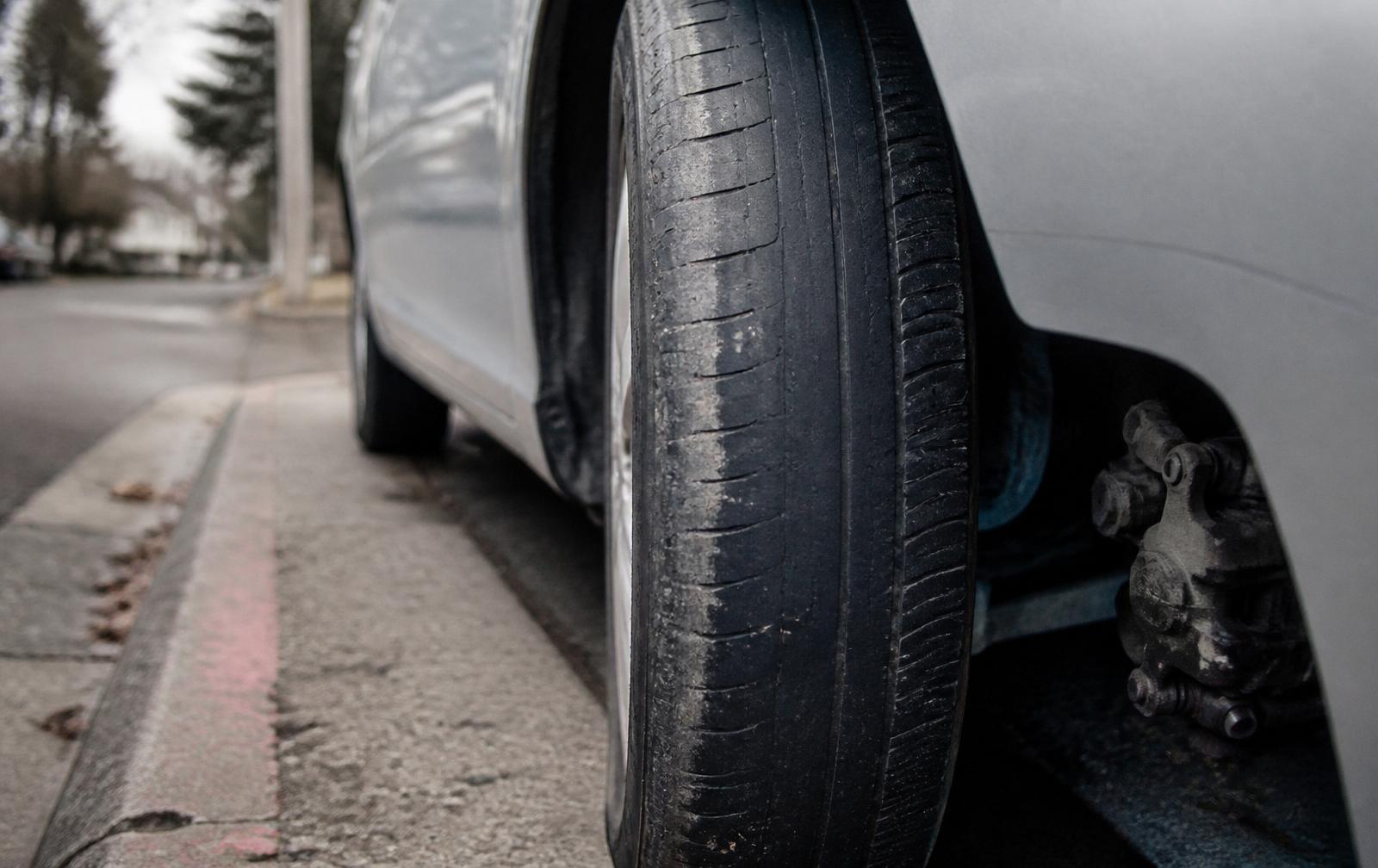
- Tyres at 3mm (each) — $180–$350 depending on size and brand.
- Battery near end-of-life — $180–$350.
- Wheel alignment — $80–$120.
- Aircon regas — $180–$280.
- Rocker cover gasket / oil leak — $350–$650.
- Timing belt due — $900–$2,200 depending on engine.
- Coolant flush — $150–$220.
- Brake fluid replacement — $100–$180.
The script that works
Assume a $22,000 asking price and an inspection report showing $1,600 of upcoming maintenance items. The negotiation looks like this:
""I want the car. The independent inspection came back mostly positive but it flagged brake pads and rotors due in about 5,000 km, front tyres at 3mm, and a small oil leak from the rocker cover gasket — that's around $1,600 of near-term work. Are you able to come down to $20,400?""
That specific, evidence-based ask lands 80% of the time — either accepted, or countered at $20,800 or $21,000. Very few sellers can defend the original price against a real inspector's list. Delivery matters: calm, matter-of-fact, no apologising, no aggressive body language. You are not attacking the car; you are stating a fact about maintenance cost.
What NOT to say
- "The market has dropped, I've seen the same car cheaper elsewhere." — vague, and the seller can dismiss it.
- "I've only got X in cash." — irrelevant to the seller; makes you look like a poor buyer.
- "My mechanic says it needs $5,000 of work." — dramatic and unverifiable. Use the written report, not verbal claims.
- Anything about personal circumstances (getting married, moving, need a car urgently) — that's leverage FOR the seller, not you.
- "Take my offer or I walk" ultimatums — they backfire more often than they work.
- "I'll pay cash if you drop the price" — cash is not a discount lever in a bank-transfer world.
- Compliments about the car before the negotiation — signals attachment.
Dealer-specific negotiation
Dealers have less flexibility on sticker but more flexibility on extras. Wins available at a NSW dealer:
- Free rego transfer and stamp duty on top
- Full tank of fuel on delivery
- New pink slip included (worth $179 to you)
- Extended warranty removed from the price (dealer margin on these is 300%+)
- Aftermarket add-ons removed (paint protection, ceramic coating, window tint bundles are always overpriced)
- Tyres upgraded if the current ones are marginal (dealer buys from wholesale; huge margin available)
- Free first service or capped-price service pack thrown in
- Dealer delivery fee waived (often $700–$1,500 of pure margin)
- Roadside assistance included for 12 months
A dealer who won't drop sticker will often bundle $1,500+ of free extras. Same net outcome for you.
Timing helps: end of month, end of quarter, end of financial year (June 30) all see softer dealer negotiation as monthly / quarterly / annual targets pressure sales staff.
Private seller negotiation
Private sellers usually have more emotional attachment to their asking price but less negotiation experience. The evidence-based ask above works especially well because they've never had someone hand them a written report with specific numbers. Their choice becomes: accept the well-reasoned counter, or start over with the next buyer (who will ask for the same inspection and reach the same conclusion).
One additional lever with private sellers: fast, clean payment. A buyer who can pay-transfer today for $20,500 is often preferred to a buyer with finance approval "coming through next week" at $22,000 asking. Make that trade-off explicit.
Common seller counters and how to respond
| Seller says | You respond |
|---|---|
| "That's the market price" | "For a car with all these items due — the median for cars needing this work is around $20,400." |
| "Someone else is coming to look tonight" | "Understood. Here's my number if they don't proceed." |
| "I can't afford to go that low, I've spent money on it" | "I understand — the inspection just reflects what needs doing next. If $20,400 works we can settle today." |
| "I'll fix those items and keep asking price" | "That works if the fixes are done professionally with receipts. Otherwise the discount is straightforward." |
| "I've had it inspected and nothing came up" | "Happy to share our report — the items are pretty clear." |
When to walk away for real
- Seller refuses independent inspection. Non-negotiable red flag.
- PPSR shows encumbrance, seller cannot show cleared payout letter.
- Wound-back odometer flagged by inspection.
- Structural repair evidence (over-spray, mismatched panel gaps, tell-tale weld patterns) inspection flags as concerning.
- Seller insists on cash only for large amounts, or resists producing rego papers / ID.
- Seller becomes hostile when a reasonable evidence-based offer is presented.
- Story keeps changing between viewings.
Walking away from a bad car is a bigger win than negotiating $2,000 off a good one. The pre-purchase inspection makes the walk-away decision defensible instead of instinctive.
Frequently asked.
- How much can you typically negotiate off a used car price in NSW?
- With a written pre-purchase inspection report and specific evidence-based asks, $1,500–$3,000 off a $20,000–$30,000 private sale is typical. Dealer negotiation is smaller on sticker but often larger in bundled extras (free rego, tank of fuel, waived add-ons).
- What's the best way to negotiate a used car price?
- Get an independent pre-purchase inspection first. Use the report items as specific, dollar-quantified reasons to negotiate down. 'Rear brakes due in 5,000 km ($450), tyres at 3mm ($600), so I'd like to be at $X' works far better than any generic lowball tactic.
- Should I offer 20% below asking?
- No — that assumes the seller doesn't know the market. Arbitrary lowballs get dismissed. Evidence-based counters (based on inspection report items) get accepted.
- Can I negotiate the price on a dealer used car?
- Yes — usually more on extras than on sticker. Free rego transfer, full tank, new pink slip, removed dealer add-ons, upgraded tyres. Same net saving as sticker cuts.
- What if the seller won't budge?
- Depends on the car. On a well-priced clean car, sometimes there's no room and the fair move is to pay asking. On an overpriced or fault-flagged car, walk — the market always produces another one.
- Is a pre-purchase inspection worth it just for negotiation leverage?
- Usually yes — a $280 inspection that produces $1,600 of documented near-term maintenance items pays for itself several times over in the negotiation alone, before you count the value of avoiding hidden faults.
- When is the best time of month to negotiate at a dealer?
- Last week of the month, last two weeks of the quarter, last three days of June (EOFY). Sales targets pressure dealers to move stock.
- Does cash still get a discount in 2026?
- Rarely — most dealers process bank transfers or finance instantly. What matters is speed and certainty, not the payment method.
- How do I negotiate on a car that's fresh to market?
- Harder. Sellers on a listing under 7 days old are usually testing the market. Wait 2–3 weeks and revisit if the listing is still active — the seller is more motivated then.
- Should I make the first offer or wait for the seller?
- The seller's price is already the first offer — the listing price. Your counter (evidence-based, off the inspection report) is the anchor that matters.
- Can I negotiate on ex-lease or ex-fleet cars?
- Yes, but there's typically less flex — the pricing is more formula-driven. Focus on inspection-flagged items and dealer extras (free rego, tank of fuel, waived delivery fee).
- What if the seller has multiple buyers interested?
- Common seller tactic — sometimes true, often bluff. Present your evidenced offer and leave your number. If they had a better firm offer, they'd take it. If they don't call back, the offer was real.
About the author
NSW Pink Slip — Lead Inspection Team
Lead AIS-Authorised eSafety Inspector · 18+ years
Our lead inspection team is Transport for NSW-authorised under the Authorised Inspection Scheme (AIS) to issue eSafety Checks (pink slips) for light vehicles up to 4.5t. Combined 18+ years of hands-on Sydney workshop experience — starting in general repair, moving through diagnostic specialisation on European and Japanese platforms, and settling into full-time mobile inspection since 2019. Every article on this site is authored or reviewed by a currently-authorised AIS examiner. If we can't verify a claim against a Transport for NSW or Service NSW source, it doesn't ship.
- ✓Transport for NSW authorised AIS examiner
- ✓Cert IV in Automotive Mechanical Diagnosis
- ✓Cert III in Light Vehicle Mechanical Technology
- ✓Cert III in Automotive Electrical Technology
- ✓Working with Children Check (WWC) verified
Reviewed by NSW Pink Slip Review Panel — Reviews every technical article for accuracy against current Transport for NSW rules, AIS inspector guidelines and manufacturer service data.
Meet the full inspection team →