NSW Defect Notice 2026 — Yellow, Blue & Red Stickers Explained, Clearance Steps
A police or Transport for NSW inspector can defect a vehicle on the roadside for anything from a loud exhaust to structural rust. The colour of the sticker decides whether you can drive home, whether you can drive at all, and exactly what it takes to get it cleared without escalating to fines or rego cancellation.
- Reviewed by
- NSW Pink Slip Review Panel
- Published
- 13 May 2026
- Updated
- 24 July 2026
- Read time
- 10 min
A defect notice — universally called a "sticker" — is issued when an authorised officer decides your vehicle isn't roadworthy at that moment. It can happen at a random roadside stop, at a Highway Patrol lane, at a heavy vehicle checkpoint, at a Random Breath Test bus, or after any minor collision. The sticker colour tells you how serious the officer thought the fault was, and dictates what you can do next — drive home, tow only, or don't move it at all.
The three colours (and what they mean)
Yellow (Minor Defect) — 14 days to clear
A yellow sticker means the vehicle has a defect that has to be repaired, but isn't dangerous enough to remove the vehicle from the road immediately. You can keep driving the car, subject to any restrictions the officer notes on the notice (typical restrictions: "no passengers", "daylight hours only", "not to be driven with a load"). You must have the defect repaired and the vehicle inspected for clearance within 14 days of the notice being issued.
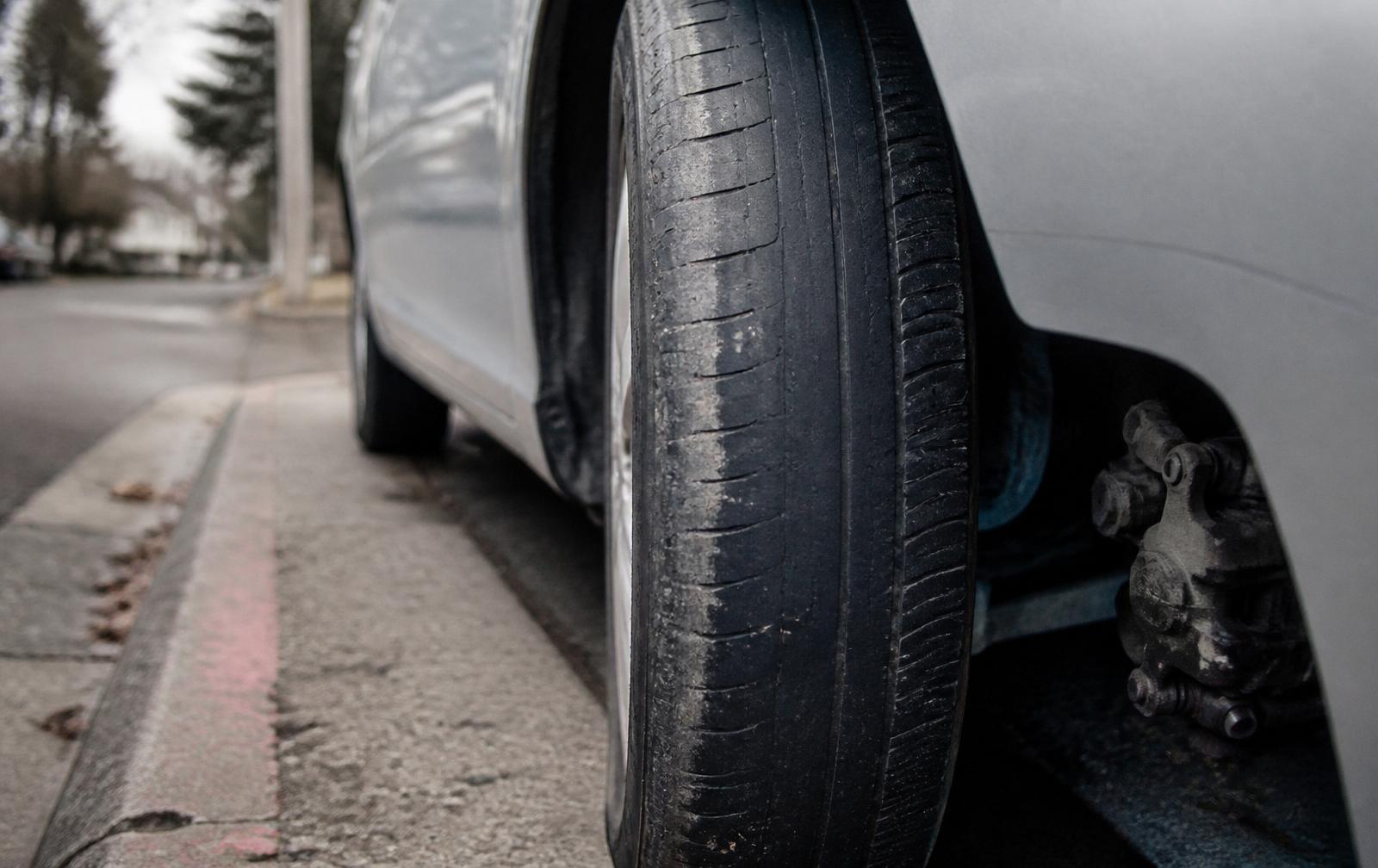
Typical yellow-sticker causes: loud exhaust, worn tyres above the legal limit but marginal, cracked windscreen outside the driver's field of view, missing mirror, blown headlight bulb, non-standard modifications without engineer's report, minor bodywork damage, non-compliant window tint, LED light bar wired to run on-road.
Blue (Major Defect) — must be cleared before general use
A blue sticker means the vehicle has a defect serious enough that it can't be driven on the road except for the purpose of getting it repaired. You can drive directly to a workshop or your home, but any other use is a fine. It must be repaired and cleared before you can use it normally. There's no fixed number of days — but if the car is registered, letting the defect sit indefinitely can result in the rego being cancelled and the plates recalled.
Typical blue-sticker causes: brake failure, serious structural rust, illegal modifications (lift kits without engineering, non-compliant wheels or tyres), major bodywork damage after a crash, headlights not working, seatbelts damaged, coilover suspension outside legal ride-height range.
Red (Grounded) — must not be driven at all
A red sticker means the vehicle must not be driven under any circumstances — including to a workshop for repair. It has to be towed. This is issued for the most serious defects: structural failure, severe crash damage, brakes non-functional, chassis compromised, safety-critical systems failed. Continuing to drive a red-stickered vehicle carries substantial fines and demerit points and voids most insurance policies.
How to clear a defect notice — step by step
- Read the notice carefully — it lists the specific defect items the inspector recorded and the deadline.
- Get the defects repaired. Keep receipts and, where relevant, engineering certificates (mod plates, ICV plates).
- Book a defect clearance inspection at an Authorised Inspection Station (AIS). For minor (yellow) defects a pink slip station can perform the clearance — book us as a mobile inspection at $179 inc GST.
- The inspector verifies each item on the defect notice has been rectified, and lodges the clearance electronically to Transport for NSW.
- Once cleared, the sticker can legally be removed and the vehicle returns to normal use.
- Keep the clearance receipt for at least 12 months — occasionally there's a database lag and you may need to prove clearance to Highway Patrol.
Important: not every defect can be cleared by any inspection station. Major structural defects (blue and red stickers involving rust or crash damage) usually need clearance at an AUVIS (Authorised Unregistered Vehicle Inspection Station) rather than a standard pink slip station. If we assess your defect at the mobile inspection and it needs AUVIS-level clearance, we'll tell you before starting — you don't pay for an inspection we can't complete.
What each sticker looks like at the roadside
- Yellow ("canary") — small, adhesive, placed inside the windscreen top-left. Notice paper handed to driver.
- Blue — same placement, slightly larger, blue-and-white printing. Additional restriction notes on the accompanying form.
- Red — placed inside the windscreen and often on the driver's window. Tow arrangement usually organised at the roadside.
Fines and consequences for ignoring a defect notice
- Driving contrary to a yellow sticker's restrictions (e.g. carrying passengers when the restriction says no passengers): fine plus demerit points.
- Driving a blue-stickered vehicle for any purpose other than repair or clearance: substantial fine, demerit points.
- Driving a red-stickered vehicle: heavy fine, demerit points, likely court summons.
- Failing to clear a yellow sticker within 14 days: escalation to blue, further fines, potential rego cancellation.
- Insurance implications: most policies exclude cover while you're driving in breach of a defect notice. A crash while defected can leave you personally liable.
What if I can't clear it in time?
Missing a yellow-sticker 14-day deadline typically escalates to a blue sticker or fines. If you genuinely can't clear it in time — you're waiting on parts, or the workshop is booked out — take the notice to a Service NSW centre or contact Transport for NSW to request a written extension before the deadline expires. Extensions granted after the deadline are rare.
Common items we clear as mobile inspection
- Blown headlight or tail-light globes replaced — clearance in 5 minutes at the driveway.
- New tyres fitted to legal tread — bring the receipt.
- Windscreen replaced — clearance requires the new glass be legal (safety-marked, not sight-line-obstructed).
- Exhaust replaced or repaired — clearance includes decibel check at idle.
- Aftermarket window tint removed or replaced with legal 35% VLT film — clearance includes VLT meter check.
- Small structural rust patched and welded — clearance requires the repair be sound and rust-free.
Avoiding a defect notice at your next pink slip
Most items that produce a roadside defect also produce a pink slip fail. Running through the 20-item pre-check the night before your pink slip (all lights working, no windscreen chips in the driver's field of view, tyres above 1.5 mm, wipers clearing properly, no oil leaks pooling under the car) catches the same things a Highway Patrol inspector would find. If we pick something up at the pink slip, you fix it in the free 14-day re-inspection window — no defect notice, no fine.
Pre-purchase context: buying a car with a defect history
A cleared defect isn't necessarily a red flag — a blown headlight cleared six months ago is nothing. Repeated defects or a red sticker in the last two years is worth investigating. A pre-purchase inspection ($280 inc GST) includes a defect history check and reveals whether the current repair is genuine or just cosmetic.
Frequently asked.
- What's the difference between yellow, blue and red defect stickers in NSW?
- Yellow = minor defect, 14 days to clear, keep driving with any noted restrictions. Blue = major defect, drive only for repair/clearance. Red = must not be driven at all; tow to workshop.
- How long do I have to clear a defect notice in NSW?
- Yellow stickers: 14 days from issue. Blue: no fixed deadline but the vehicle can't be used normally until cleared. Red: not driveable at all until cleared.
- Can a pink slip clear a defect notice?
- Yes for minor (yellow) defects if the pink slip inspector confirms every listed item is now compliant. Book us at $179 inc GST as a mobile clearance inspection. Major structural defects usually need AUVIS clearance.
- Can I keep driving a car with a yellow sticker?
- Yes — subject to any restrictions written on the notice (common ones: 'no passengers', 'daylight hours only', 'not for loads'). You must clear the defect within 14 days.
- What happens if I ignore a defect notice?
- Fines, demerit points, escalation of the sticker (yellow → blue), and ultimately rego cancellation. Insurance also typically won't cover a claim if you were driving a defected vehicle in breach of the notice.
- Who can issue a defect notice in NSW?
- NSW Police (typically Highway Patrol), Transport for NSW inspectors, and authorised heavy vehicle inspectors at roadside checkpoints.
- How much does defect clearance cost?
- A mobile clearance for a minor (yellow) defect is our standard pink slip rate — $179 inc GST flat. Major (blue/red) clearance at an AUVIS starts from around $150 and can be significantly more depending on the item.
- Can I remove a defect sticker myself?
- Not until the defect is cleared and the clearance lodged. Removing the sticker before clearance is an offence.
- Do I need the original defect paperwork to book a clearance?
- Yes — bring the notice with you (or photograph it). It lists the specific items the inspector recorded, which is what the clearance inspection must verify.
- What if the defect item is a modification I can't easily reverse?
- Modifications require an engineering certificate for compliance, or reversal to standard. A modified vehicle without an engineer's report will be defected repeatedly until it's compliant or reverted.
- Can I get defected for a dirty car?
- Not for dirt alone, but an obscured number plate — even if just muddy — is an offence and can trigger a defect. Wash the plate before any long drive.
- Does a defect notice stay on my rego record?
- Yes — defects are recorded against the vehicle and visible on rego lookups and pre-purchase history checks. Cleared defects show as 'cleared' rather than being deleted.
About the author
NSW Pink Slip — Lead Inspection Team
Lead AIS-Authorised eSafety Inspector · 18+ years
Our lead inspection team is Transport for NSW-authorised under the Authorised Inspection Scheme (AIS) to issue eSafety Checks (pink slips) for light vehicles up to 4.5t. Combined 18+ years of hands-on Sydney workshop experience — starting in general repair, moving through diagnostic specialisation on European and Japanese platforms, and settling into full-time mobile inspection since 2019. Every article on this site is authored or reviewed by a currently-authorised AIS examiner. If we can't verify a claim against a Transport for NSW or Service NSW source, it doesn't ship.
- ✓Transport for NSW authorised AIS examiner
- ✓Cert IV in Automotive Mechanical Diagnosis
- ✓Cert III in Light Vehicle Mechanical Technology
- ✓Cert III in Automotive Electrical Technology
- ✓Working with Children Check (WWC) verified
Reviewed by NSW Pink Slip Review Panel — Reviews every technical article for accuracy against current Transport for NSW rules, AIS inspector guidelines and manufacturer service data.
Meet the full inspection team →Related from the workshop.
What Fails a Pink Slip in NSW? The 12 Items That Cost Most Drivers a Re-Inspection (2026)
The 6 Most Common Pink Slip Fails in Sydney (and How to Fix Each Under $50)