Trailer Pink Slip NSW 2026 — Box, Boat, Caravan, Plant Trailers (Rules, Fees, Common Fails)
Trailers get overlooked in the pink slip conversation because most drivers think about the car in front, not the box behind it. But every eligible trailer needs the same annual eSafety Check — different fee, different checklist, and a very predictable set of failure items. Here's the 2026 rider for box, boat, plant and caravan trailers.
- Reviewed by
- NSW Pink Slip Review Panel
- Published
- 14 May 2026
- Updated
- 24 July 2026
- Read time
- 10 min
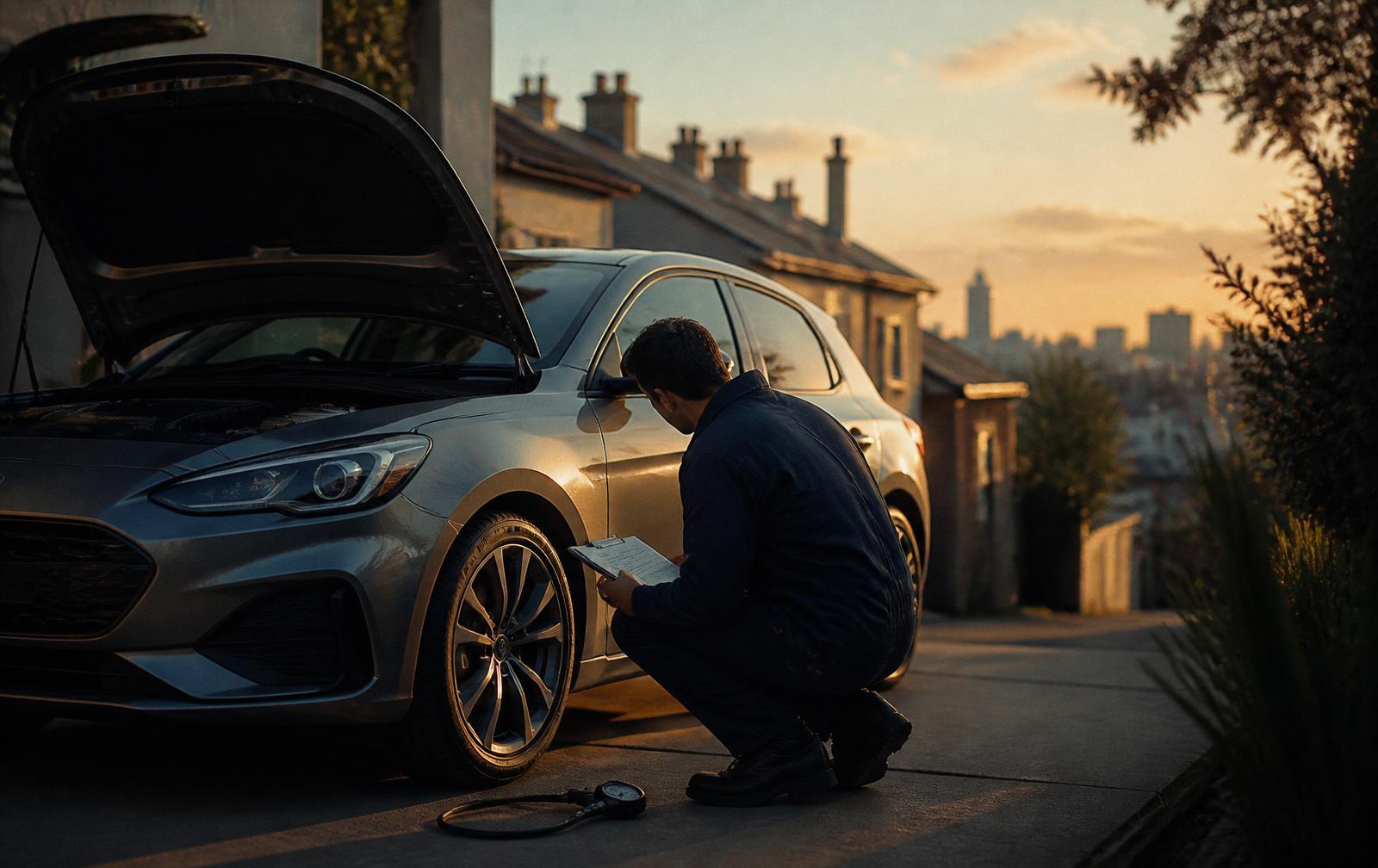
Trailers get overlooked in the pink slip conversation because most drivers think about the tow car, not the trailer behind it. But NSW requires an eSafety Check for most registered trailers from the age of 5 years — annually, aligned with rego renewal. Skipping it doesn't just risk a fine at rego renewal; if you tow an unregistered or uninspected trailer that's involved in an incident, your CTP and comprehensive cover on both the car and the trailer can be compromised. Here's the complete 2026 guide.
Which trailers need a pink slip in NSW
The general rule: any registered trailer that is 5 or more years old at rego renewal needs an eSafety Check. That covers:
- Box trailers — most common, from tiny 6×4 utility trailers up to enclosed 8×5 cargo trailers.
- Boat trailers — including tinnie trailers, offshore boat trailers, jet-ski trailers.
- Caravans and camper trailers — including hard-floor camper trailers, off-road caravans, pop-tops.
- Plant and machinery trailers — flat-tops for excavators, mowers, bobcats.
- Horse floats — single and double.
- Car trailers and tilt trailers.
Very small unbraked utility trailers under specific weight thresholds may be exempt entirely. Your rego renewal notice tells you definitively whether an eSafety Check is required — if it's not on the notice, you don't need one.
The regulated fees
- Trailer with brakes: $40 regulated inspection fee.
- Trailer without brakes: $26 regulated inspection fee.
These are Transport for NSW caps — inspectors can't legally charge more than this for the inspection itself. Mobile call-out surcharges (typical for trailer inspection because the trailer often isn't easy to move to a workshop) sit on top of the base fee.
The inspection checklist — what an inspector actually looks at
A trailer eSafety Check runs through roughly 15 items, focused on the systems that fail catastrophically at highway speed under load:
- Chassis / frame — no cracks, no significant rust weakening structural members, no unrepaired collision damage. Rust perforation in load-bearing sections is an immediate fail.
- Coupling — hitch condition, safety chain shackle integrity, breakaway cable (on trailers over 2t GTM), correct rating for the trailer weight.
- Drawbar — no cracks, no bends, welds intact.
- Axle and suspension — no bent axles, no broken leaf springs or shock absorbers, spring hangers intact.
- Wheel bearings — no play, no growl when spinning by hand.
- Wheels and tyres — same tyre rules as cars (1.5mm minimum tread), plus rim integrity and correct load rating.
- Brakes (if fitted) — mechanical, electric or hydraulic brakes must function correctly. Includes electric brake controller wiring on trailers with electric brakes.
- Lights — brake lamps both sides, indicators both sides, tail lights, number plate lamp, side markers if fitted, reflectors.
- Wiring — no exposed conductors, no visible corrosion at the plug, plug type matches the tow vehicle standard.
- Registration plate — fitted, legible, positioned correctly, unobstructed.
- Safety chains — correct rating, no significant wear at links or shackle.
- Mudguards — fitted and secure over the wheels.
- Load-restraint provisions — tie-down points intact, tailgate/side latches functional (on box trailers).
- On caravans specifically — LPG cylinder mounting brackets, gas line inspection date, jack integrity.
The 5 most common trailer pink slip fails
- Lights — blown globes on tail, brake or indicator lamps are far and away the most common trailer fail. Trailers sit outside for months between uses; salt, moisture and vibration kill globes fast. Walk-around check the day before with a helper stepping on the brake.
- Wiring corrosion at the plug — 7-pin or 12-pin plugs sitting on the drawbar collect salt spray and rain. Green corrosion inside the pins means intermittent lights. Clean with contact cleaner or replace the plug entirely.
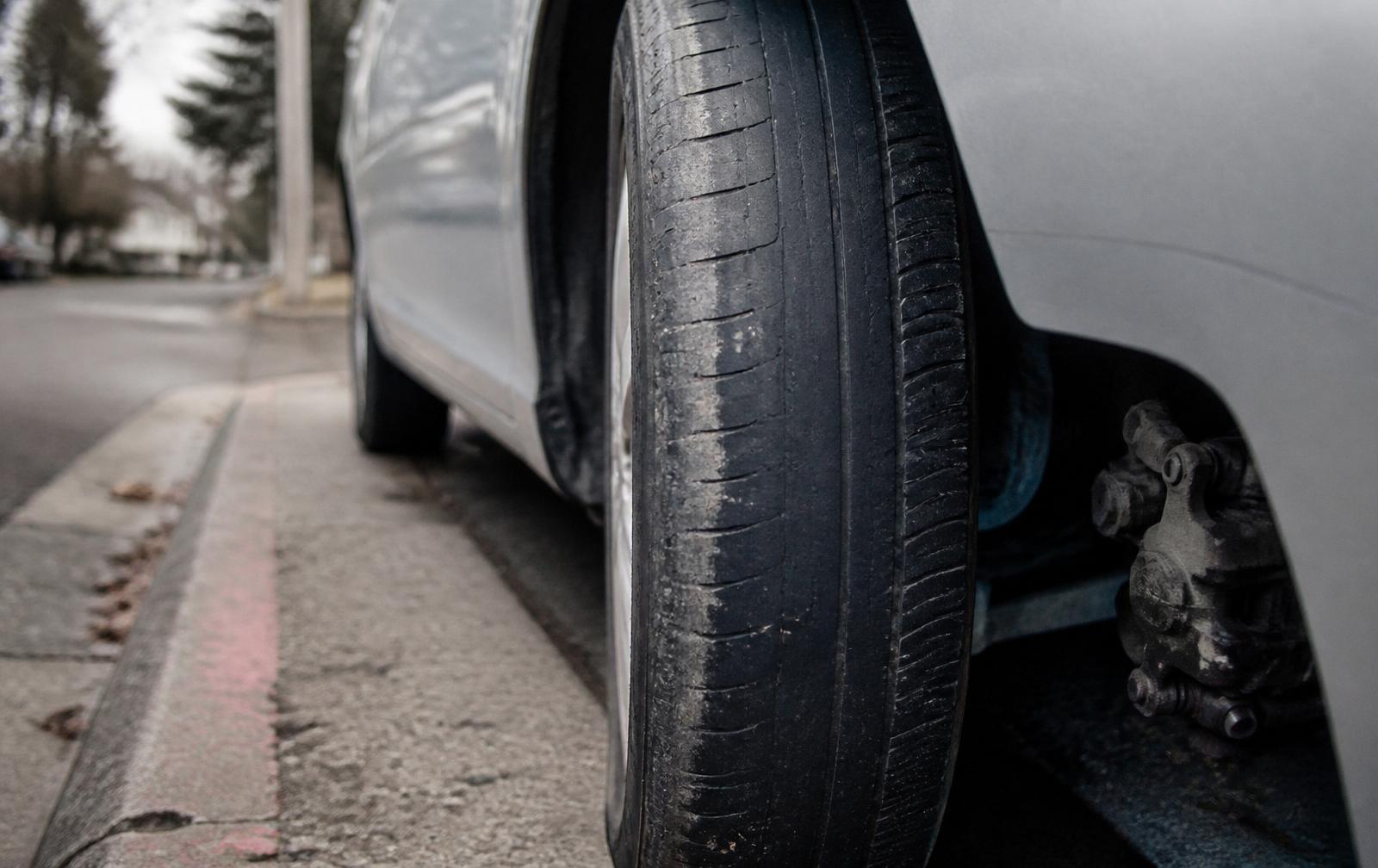
- Perished or cracked tyres — trailers sit unused for months. Sidewall cracking from UV kills more trailer tyres than tread wear does. Any visible cracking around the sidewall is a fail regardless of tread depth. Trailer tyres are cheap; don't hesitate.
- Rust in the chassis — especially critical on box trailers with folded-sheet steel construction. Rust perforation in load-bearing sections fails immediately. Surface rust that hasn't perforated may be OK with a wire-brush and paint.
- Wheel bearings with play — spin each wheel by hand and grab top-and-bottom to feel for play. Any detectable rocking is a fail. Bearings are a cheap fix but need to be done properly with new seals.
The night-before prep list
- Hitch the trailer up (or use a jockey wheel with a helper) and test every light function — tail, brake left, brake right, indicators left and right. If a globe is out, replace it — pack of assorted 12V trailer globes at any auto shop for under $15.
- Look at the plug on the drawbar — any green or white corrosion inside the pins, clean or replace.
- Walk around all tyres, checking sidewalls for cracks and running a tread depth gauge in the centre and shoulders.
- Rock each wheel top-and-bottom to feel for bearing play.
- Look under the trailer for cracks in the drawbar welds, rust perforation in the chassis, or damaged spring hangers.
- Check the safety chains for wear, especially at shackle points.
- On caravans, confirm the gas line pressure test date is current (separate certification, but the inspector will check).
- Clean the number plate so it's clearly legible — silly but common fail if it's caked in mud.
Twenty minutes of night-before checks catches ~90% of avoidable trailer fails.
Mobile trailer inspection — how it works
Trailers are the strongest use case for mobile inspection because moving a trailer to a workshop is a hassle: you have to hitch up, drive there, unhitch, wait, hitch again, drive back. Mobile inspection means the trailer stays exactly where it is (in your driveway, side yard, storage lot) and the inspector comes to it. We inspect the trailer in place, lodge to Service NSW electronically, and email the report on the spot.
We can do trailer inspections at storage yards and industrial premises across Sydney too — practical for tradespeople who keep the trailer at a work site rather than at home.
Braked vs unbraked trailers — which do you have?
- Unbraked: the trailer relies entirely on the tow vehicle to stop. Legal only up to lower weight thresholds (loaded weight below the vehicle-specific limit, usually 750kg). Regulated fee $26.
- Mechanical override brakes: activated by the trailer pushing forward against the coupling under deceleration. Common on smaller boat and box trailers. Regulated fee $40.
- Electric brakes: activated by a controller inside the tow vehicle. Common on caravans and larger box trailers over 2t GTM. Regulated fee $40.
- Hydraulic surge brakes: similar to mechanical override but hydraulic. Less common on modern trailers. Regulated fee $40.
If the trailer has any type of brake system, the higher regulated fee applies and the inspector will test the brakes as part of the check.
Caravan-specific extras
- Gas installations — LPG cylinders must be within test date and mounted per AS/NZS regulations. The pink slip inspector doesn't test the gas system electrically but does confirm mount and physical condition.
- Awnings — must be secured when road-mode; if damaged in a way that could fail at speed, it's a fail.
- Jack and stabilisers — must be intact and secured for travel.
- Water tank straps — must hold the tank securely.
Timing and validity
- Trailer pink slips are valid for 6 months, same as car pink slips.
- Book 2–4 weeks before rego expiry.
- Free re-inspection window: 14 days after initial inspection, same inspector, only failed items re-checked.
- Trailer rego renewal is done through Service NSW the same way as a car — pink slip appears on the record within minutes of lodgement, rego payment then completes online.
What if the trailer isn't currently registered
A trailer that's been unregistered for less than the grace period can be reinstated with a fresh pink slip and rego payment. Past the grace period, it needs a blue slip (AUVIS inspection), which is more thorough. Mobile blue slip options are more limited than mobile pink slip.
Frequently asked.
- Do trailers need a pink slip in NSW?
- Yes — most registered trailers need an annual eSafety Check once they reach age 5, aligned with rego renewal. Very small unbraked trailers may be exempt; your rego renewal notice tells you definitively.
- How much is a trailer pink slip in NSW?
- Regulated fee: $40 for a trailer with brakes, $26 for a trailer without brakes. Mobile call-out surcharges typically apply on top.
- What's the difference between braked and unbraked trailer fees?
- Braked trailers require the inspector to test the brake system as part of the check, which is why the regulated fee is higher. Any form of brake (mechanical, electric, hydraulic) qualifies for the braked fee.
- Does a caravan need a pink slip?
- Yes — same rule as any trailer over the exempt weight threshold. Caravans additionally have gas installation and awning items on the inspection.
- Do boat trailers need a pink slip?
- Yes — same as any registered trailer over the exempt threshold. Boat trailers particularly benefit from the light and bearing checks after regular saltwater exposure.
- Can a mobile inspector do trailer pink slips?
- Yes — arguably the strongest use case for mobile inspection because moving trailers to a workshop is a hassle. The trailer stays wherever it lives; the inspector comes to it.
- What are the most common trailer pink slip fails?
- Lights (blown globes), plug corrosion, perished tyres (from sitting), chassis rust perforation, and wheel bearing play. All fixable with basic tools if caught before the inspection.
- How long is a trailer pink slip valid?
- 6 months from issue, same as car pink slips.
- Do I need my tow vehicle for a trailer inspection?
- Usually not for the inspection itself — but you'll need something to test the lights (either the tow vehicle or a 12V test lead). We carry test leads on mobile inspections.
- What if my trailer rego has already expired?
- Under the grace period, you can reinstate with a fresh pink slip and rego payment. Past the grace period, you'll need a blue slip (AUVIS) instead, which is more thorough.
- Do I need to have the trailer washed before inspection?
- Just clean enough that the inspector can see the chassis, welds and safety chains clearly. Number plate must be legible. A caked-in-mud trailer can genuinely fail on plate visibility.
About the author
NSW Pink Slip — Lead Inspection Team
Lead AIS-Authorised eSafety Inspector · 18+ years
Our lead inspection team is Transport for NSW-authorised under the Authorised Inspection Scheme (AIS) to issue eSafety Checks (pink slips) for light vehicles up to 4.5t. Combined 18+ years of hands-on Sydney workshop experience — starting in general repair, moving through diagnostic specialisation on European and Japanese platforms, and settling into full-time mobile inspection since 2019. Every article on this site is authored or reviewed by a currently-authorised AIS examiner. If we can't verify a claim against a Transport for NSW or Service NSW source, it doesn't ship.
- ✓Transport for NSW authorised AIS examiner
- ✓Cert IV in Automotive Mechanical Diagnosis
- ✓Cert III in Light Vehicle Mechanical Technology
- ✓Cert III in Automotive Electrical Technology
- ✓Working with Children Check (WWC) verified
Reviewed by NSW Pink Slip Review Panel — Reviews every technical article for accuracy against current Transport for NSW rules, AIS inspector guidelines and manufacturer service data.
Meet the full inspection team →Related from the workshop.
What Is a Pink Slip in NSW? The 2026 eSafety Check Explained (Plain English)
The 6 Most Common Pink Slip Fails in Sydney (and How to Fix Each Under $50)