What Is a Pink Slip in NSW? The 2026 eSafety Check Explained (Plain English)
The "pink slip" is just the everyday name for the annual Transport for NSW eSafety Check. Here's exactly what it is, who needs one, what an inspector actually looks at, what it costs in 2026, and how the result flows through to your rego renewal — written for people who don't want to think about cars.
- Reviewed by
- NSW Pink Slip Review Panel
- Published
- 14 January 2026
- Updated
- 24 July 2026
- Read time
- 12 min
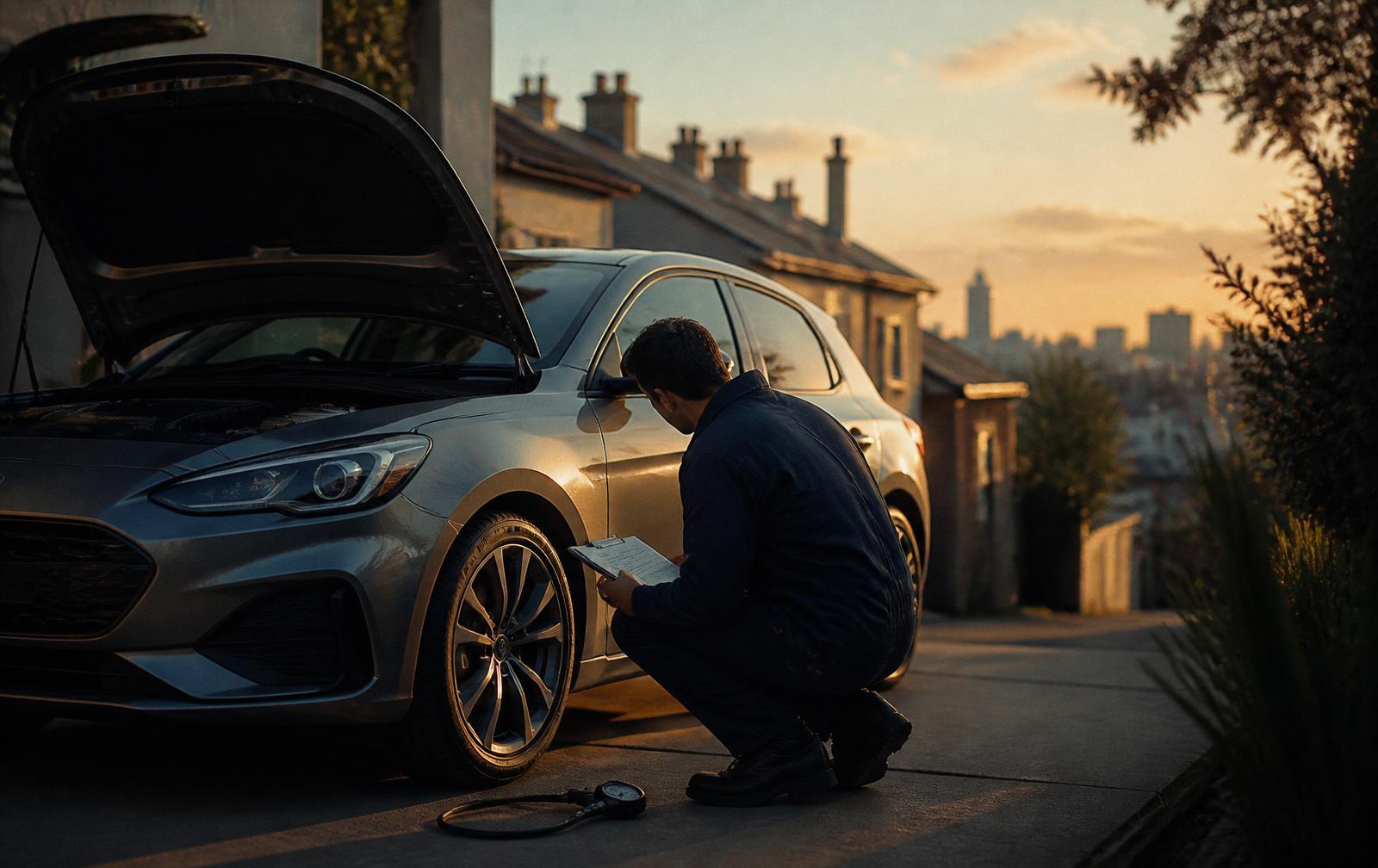
If Service NSW has told you to "get a pink slip" before your rego can renew, the piece of paperwork behind that instruction is officially called an eSafety Check. Same thing — one is the nickname, one is the formal name. The nickname stuck because the original inspection report was literally printed on pink carbon paper. It's now filed electronically straight to Transport for NSW, but the name never went away.
This guide walks through exactly what a pink slip is, when you actually need one, what it costs in 2026 (there are two numbers, and most drivers conflate them), what the inspector is looking at, and how the result flows through to your rego renewal. Nothing here requires you to know anything about cars — the whole point is to demystify a piece of admin most Sydney drivers face once a year.
What a pink slip actually is
A pink slip is an annual safety inspection issued through the Authorised Inspection Scheme (AIS), which is run by Transport for NSW. Every AIS station — fixed workshop or mobile inspector — works from the same rulebook and lodges the result through the same electronic portal. Once the pass is lodged, Service NSW automatically sees it against your rego record. You don't hand-carry paper anywhere.
The word "safety" is the important one. A pink slip is not a service, not a repair, not a full mechanical health check. It's a pass/fail on a defined checklist of items that affect whether the vehicle is safe to share the road with other people. Tyres, brakes, steering, suspension, lights, seatbelts, wipers, glass, exhaust, structural rust, and (for vehicles registered after Jan 2020) an OBD-II emissions scan. That's the scope. Anything outside that list — a due timing belt, a slow oil leak, a worn CV boot that isn't yet split — is not a pink slip fail. A good inspector will still mention it as an advisory, but it can't hold up your rego.
Who actually needs one
You need a current pink slip to renew registration on any light vehicle (car, SUV, ute, van up to 4.5t GVM) that is 5 years old or older at renewal time. The age is measured from the vehicle's build date on the compliance plate, not from when you bought it. Motorcycles and trailers follow the same age rule but at different regulated fees.
Two exceptions that surprise people:
- Brand-new vehicles: no pink slip is required until the 5th renewal after first registration. Service NSW handles this automatically — you'll only be prompted when it's actually due.
- Vehicles registered under a business or fleet arrangement: same age rule, but the renewal notice goes to the registered operator. The inspection itself is identical.
If your vehicle is under 5 years old, you don't need a pink slip at all — just pay the rego renewal and CTP (green slip) through Service NSW. If you're not sure how old the vehicle is, check the metal compliance plate on the door jamb or under the bonnet — it lists the build month and year.
What the inspector looks at (the actual checklist)
A standard pink slip inspection runs 20–30 minutes on a normal car. It's structured around a published Transport for NSW checklist, and every AIS inspector uses the same one. Here's what's actually happening while you wait with a coffee:
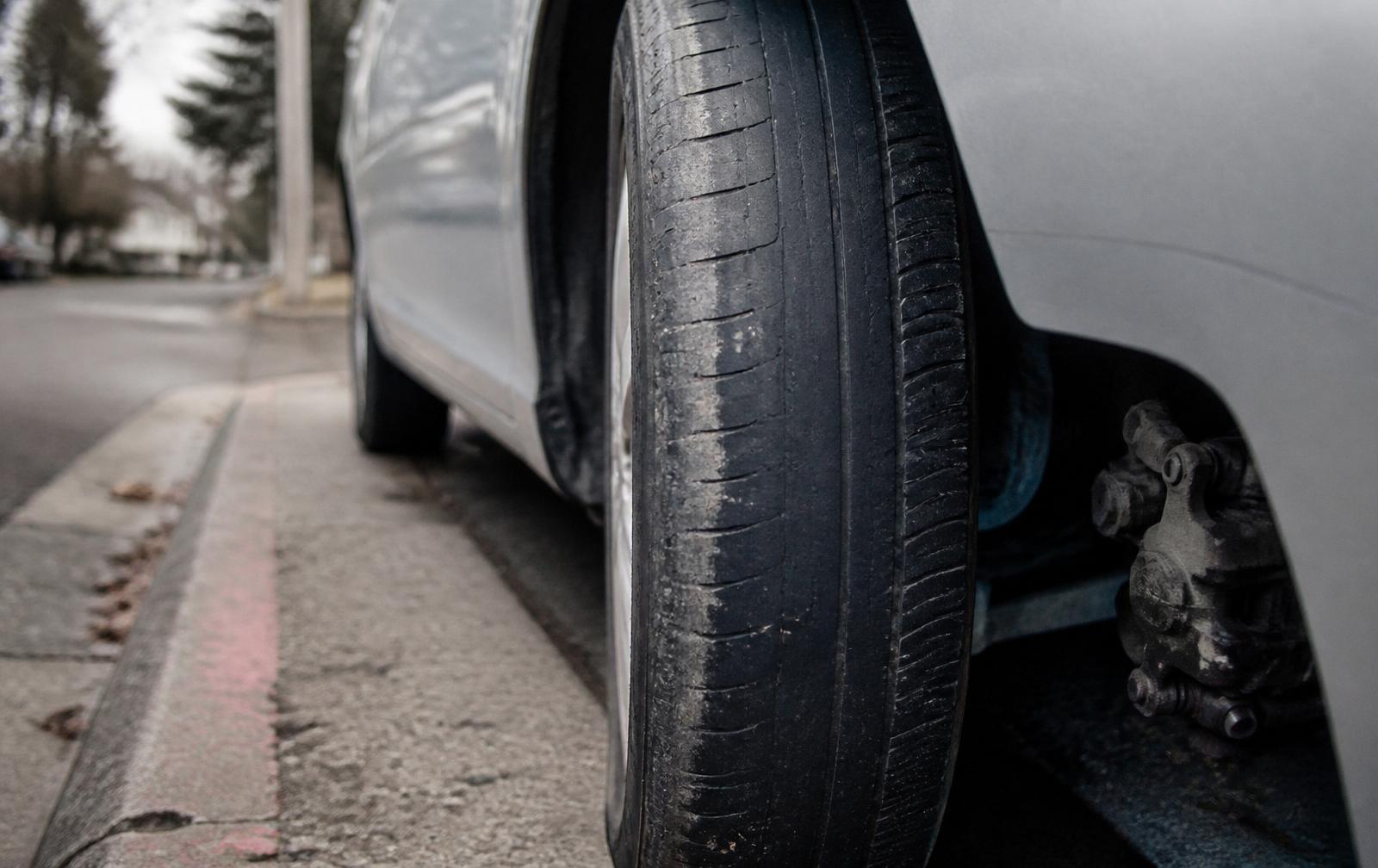
- Tyres — tread depth (1.5mm minimum across the central three-quarters), sidewall damage, matching sizes on the same axle, correct load rating for the vehicle.
- Brakes — wheel-off inspection of pad thickness, disc condition, handbrake travel, and a functional test that the pedal holds pressure.
- Steering & suspension — play in the steering, shock absorber leaks, ball joints, control arm bushes, wheel bearing noise.
- Lights — headlights (low and high beam alignment), tail, brake, indicator, reverse, number plate, hazard, and any factory-fitted fog lamps.
- Glass & wipers — no cracks in the driver's line of sight, wiper blades that clear cleanly without streaking, washer jets that reach the glass.
- Seatbelts — every belt in the car retracts and locks; buckles engage; no cuts or fraying to the webbing.
- Exhaust — no leaks forward of the muffler, catalytic converter present, no excessive smoke on load.
- Structure & rust — no perforating rust in load-bearing panels (sills, floors, chassis rails, suspension mounts), no unrepaired collision damage.
- Emissions (post-Jan 2020 vehicles) — OBD-II scan for readiness monitors and any stored fault codes affecting emissions control.
- Registration plates — both fitted, legible, not obscured by tow bars or bike racks.
Under the bonnet the inspector isn't checking oil quality or service history — that's out of scope. They're checking that the engine mounts are intact, there's no active fuel or brake fluid leak, and nothing is dangling that shouldn't be.
What it costs in 2026
There are two numbers on every pink slip invoice, and it's the second one that varies:
| Component | 2026 amount | Set by |
|---|---|---|
| Government inspection fee — light vehicle | $51 | Transport for NSW (regulated maximum) |
| Station labour / call-out / overheads | $0 to $60+ | Each AIS station sets its own |
| Service NSW electronic lodgement | Included | No separate charge is permitted |
Workshop pink slips in Sydney typically land between $45 and $70 all-in. Mobile inspections sit higher because the inspector, the wheel-off tools and the diagnostic scanner all travel to you — our flat rate is $179 inc GST, everywhere in our coverage area, no weekend loading and no distance surcharge.
How the pass flows through to your rego renewal
Once the inspector marks a pass and hits submit, the result is filed electronically against your rego record within a few minutes. You don't need to physically bring anything to Service NSW. Log in to your Service NSW account (or open the renewal notice) and the safety check will already show as complete. You then pay the rego fee and CTP (green slip) through the same portal, and your registration is renewed on the spot.
If the inspector marks a fail, the pass isn't lodged. You get an itemised report of exactly what needs fixing, 14 days to get the repairs done, and a free re-inspection when we come back. Only the passing inspection is lodged — a fail doesn't appear on your rego record.
How long a pink slip is valid
Once issued, a pink slip is valid for 6 months. You can book it up to 6 months before your rego expires and use it against that renewal. Most drivers book it 2–4 weeks before the expiry date — close enough that any borderline items are still borderline, far enough out to leave room for a re-inspection if something fails.
If your rego has already lapsed by less than 3 months, you can legally drive the car to a booked inspection under the Service NSW unregistered vehicle permit rules — or, more simply, we come to your driveway and the drive-to-inspection issue disappears entirely.
Pink slip vs blue slip — the one-line difference
A pink slip is the annual safety check for a vehicle that's already registered in NSW. A blue slip (AUVIS inspection) is the more thorough check required when a vehicle first enters NSW registration — a new interstate move, an import, a rebuild, or a rego that's been expired more than 3 months. Blue slips are done at Authorised Unregistered Vehicle Inspection Stations, not by mobile inspectors, and they carry a higher regulated fee. If Service NSW has told you specifically to get a blue slip, a pink slip won't substitute.
Common misconceptions worth clearing up
- "A pink slip means the car is mechanically perfect." No — it means the car meets the minimum safety standard on the day. It's a floor, not a ceiling.
- "The inspector can fix things during the inspection." An honest inspector won't. It's a conflict of interest: the same person shouldn't be paid to find faults and to repair them.
- "A pink slip covers me for a year." It's valid for 6 months against your rego renewal — but it's a snapshot of a single day, not an ongoing warranty. A tyre worn below 1.5mm the day after doesn't stay legal.
- "Mobile pink slips aren't as thorough." Same AIS licence, same checklist, same electronic lodgement. The tool that changes with mobile is the location — nothing else.
- "If I fail, I lose my rego." A fail isn't lodged. You just re-book (free, within 14 days) after the fix.
What to have ready on inspection day
- Registration papers or a photo of your rego renewal notice — for the plate and VIN match.
- Photo ID for the registered operator (a licence is fine).
- A cleared driveway or a parking spot with room to open all four doors and the bonnet.
- Your Service NSW login handy if you want to complete the rego renewal the same afternoon (optional — the pass is lodged either way).
That's it. No pre-booking with Service NSW, no forms to sign in triplicate, no need to bring the car anywhere. Book the slot, unlock the car, hand over the keys, and we do the rest.
Frequently asked.
- Do I need a pink slip if my car is under 5 years old?
- No. Vehicles under 5 years old at renewal don't require a pink slip — just pay the rego fee and green slip through Service NSW. The requirement kicks in from your 5th renewal onwards.
- What's the difference between a pink slip and an eSafety Check?
- Nothing. "Pink slip" is the everyday nickname; "eSafety Check" is the formal Transport for NSW term. It's the same inspection, same checklist, same electronic lodgement.
- How much is a pink slip in NSW in 2026?
- The regulated government inspection fee is $51 for a light vehicle. On top of that each AIS station sets its own labour or call-out — workshops typically add $0–$20, mobile inspectors more. Our flat mobile rate is $179 inc GST all-in.
- How long does a pink slip take?
- 20–30 minutes on a standard car with no fail items. Add 5–10 minutes for the electronic lodgement and payment. Bigger 4WDs and utes sit at the upper end.
- How long is a pink slip valid for?
- 6 months from the issue date. You can book it up to 6 months before your rego expiry and use it against that renewal.
- What happens if my car fails the pink slip?
- You get an itemised report of what needs fixing. Fix the items within 14 days and we come back for a free re-inspection. A fail is not lodged against your rego — only the passing result is.
- Can I drive to the inspection if my rego has expired?
- If it lapsed less than 3 months ago, yes — Service NSW allows a limited drive to a booked inspection under an unregistered vehicle permit. If it's been longer, you need a blue slip, not a pink slip, and you can't drive the vehicle. A mobile inspector sidesteps this entirely.
- Do I need to bring the car to Service NSW after the pink slip?
- No. The pass is lodged electronically to Transport for NSW within minutes. You just log in to your Service NSW account and complete the rego renewal online.
- Is a mobile pink slip legit?
- Yes — mobile inspectors hold the same AIS authorisation as workshops, follow the same checklist, and lodge results through the same portal. The only difference is the location. Ask for the inspector's AIS number if you want to verify.
- What does the inspector check under the bonnet?
- Engine mounts intact, no active fuel/brake fluid leak, exhaust manifold sound, no obvious dangling components. They're not checking oil quality, service history, or timing belt intervals — those are outside the pink slip scope.
- Can a workshop fail me just to sell repairs?
- They shouldn't — Transport for NSW audits AIS stations for exactly this. But it happens. If you're worried about it, use a mobile inspector who has no service or parts revenue on the other side of the invoice.
About the author
NSW Pink Slip — Lead Inspection Team
Lead AIS-Authorised eSafety Inspector · 18+ years
Our lead inspection team is Transport for NSW-authorised under the Authorised Inspection Scheme (AIS) to issue eSafety Checks (pink slips) for light vehicles up to 4.5t. Combined 18+ years of hands-on Sydney workshop experience — starting in general repair, moving through diagnostic specialisation on European and Japanese platforms, and settling into full-time mobile inspection since 2019. Every article on this site is authored or reviewed by a currently-authorised AIS examiner. If we can't verify a claim against a Transport for NSW or Service NSW source, it doesn't ship.
- ✓Transport for NSW authorised AIS examiner
- ✓Cert IV in Automotive Mechanical Diagnosis
- ✓Cert III in Light Vehicle Mechanical Technology
- ✓Cert III in Automotive Electrical Technology
- ✓Working with Children Check (WWC) verified
Reviewed by NSW Pink Slip Review Panel — Reviews every technical article for accuracy against current Transport for NSW rules, AIS inspector guidelines and manufacturer service data.
Meet the full inspection team →